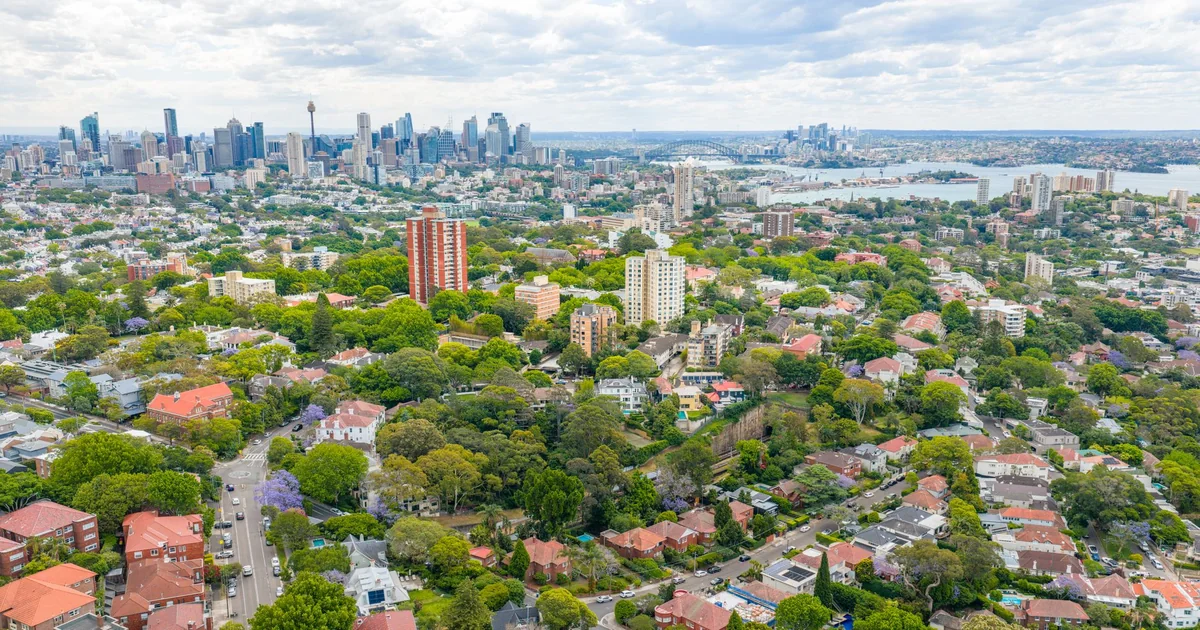
The Challenge: Finding Your Fit in Sydney as an Indian Migrant
You've just arrived in Sydney, or you're planning to move here soon. You want a suburb where you can find familiar food, speak your language without feeling out of place, and access community support when you need it. But Sydney's sprawl is overwhelming. Rent prices vary wildly. Some suburbs feel isolating if you're the only Indian family on the street. Others are expensive but vibrant. How do you choose a suburb that actually fits your budget, your job location, and your need for community?
The good news: Sydney has several well-established Indian communities. Suburbs like Parramatta, Westmead, Earlwood, and Strathfield have temples, Indian grocery stores, restaurants, and networks of Indian families who can help you settle faster. The challenge is understanding which suburb matches your priorities: cost, commute, community size, or family needs.
This guide walks you through the best suburbs for Indian migrants, breaking down rent, transport links, community facilities, and what to expect when you arrive.
Parramatta: The Hub for Indian Community and Affordability
Parramatta is the unofficial capital of Sydney's Indian community. It's where most Indian migrants start, and for good reason.
The suburb sits 23 kilometres west of the CBD. Rent for a one-bedroom apartment averages between $450 and $550 per week, while a two-bedroom runs $550 to $700 per week. This is significantly cheaper than inner-city suburbs like Darlinghurst or Bondi. A three-bedroom house share can cost $350 to $450 per person per week.
Parramatta has three major temples: the Sri Veeramakaliamman Temple on Church Street, the Hanuman Temple on Smith Street, and the Sri Mariamman Temple. These are not just places of worship. They host community events, cultural celebrations, and networks where you can meet other Indian families. During Diwali and Holi, the temples organise celebrations that draw thousands.
Church Street and Smith Street are lined with Indian grocery stores, restaurants, and service providers. You'll find shops selling fresh spices, dal, rice, and frozen Indian vegetables. Restaurants serve North Indian, South Indian, and Punjabi food. Barber shops, travel agents, and accountants who understand Indian tax situations are all within walking distance.
Transport is excellent. Parramatta Station connects to the T1 Western Line, which runs to Central Station in 50 minutes. Buses serve most suburbs from Parramatta. If you work in the CBD, you can commute in under an hour. If you work in Parramatta itself, many IT companies, banks, and service providers have offices here.
The downside: Parramatta is busy and noisy. The main streets are congested during peak hours. Housing stock is mostly apartments and small townhouses. If you want a quiet, spacious family home, you'll need to look further west.
Westmead and Earlwood: Quieter Alternatives with Strong Community
Westmead sits just north of Parramatta, about 25 kilometres from the CBD. It's quieter than Parramatta but still has a significant Indian population.
Rent in Westmead is slightly lower than Parramatta: one-bedroom apartments average $400 to $500 per week, and two-bedroom apartments run $500 to $650 per week. The suburb has good schools, including Westmead Public School and several private schools nearby. If you're moving with children, this matters.
Westmead has the Sri Veeramakaliamman Temple and several Indian grocery stores and restaurants. The community is smaller than Parramatta, but it's tight-knit. Many families have been here for 10 to 15 years and are happy to help newcomers.
Transport is good but not as frequent as Parramatta. The T1 Western Line stops at Westmead Station, and buses connect to Parramatta and other suburbs. If you work in the CBD, the commute is about 55 minutes by train.
Earlwood is further south, about 12 kilometres from the CBD. It's one of Sydney's oldest Indian communities. Rent is similar to Westmead: $400 to $500 for a one-bedroom, $500 to $650 for a two-bedroom. The suburb is residential and quiet, with tree-lined streets and older weatherboard houses. Many Indian families own homes here, not just rent.
Earlwood has the Sri Veeramakaliamman Temple and several Indian shops and restaurants along Earlwood Road. The community is established and welcoming. Schools are good, and the suburb feels safe.
Transport is via the T3 Inner West & Leppington Line, which runs to Central Station in about 30 minutes. This is faster than Parramatta or Westmead. If you work in the inner west or CBD, Earlwood is a strong choice.
Strathfield and Concord: For Families and Professionals
Strathfield is 12 kilometres west of the CBD. It's more affluent than Parramatta or Earlwood, but it has a growing Indian community.
Rent in Strathfield is higher: one-bedroom apartments average $500 to $600 per week, and two-bedroom apartments run $650 to $800 per week. However, the suburb is quieter, safer, and has excellent schools. Strathfield High School is one of Sydney's top public schools. If you have children, this is a major draw.
Strathfield has the Sri Veeramakaliamman Temple and several Indian restaurants and shops, though fewer than Parramatta. The Indian community is smaller but growing. Many professionals, including doctors, engineers, and IT workers, live here.
Transport is excellent. Strathfield Station is on the T1 Western Line, with trains to Central Station in 35 minutes. Buses connect to Parramatta and other suburbs. If you work in the CBD or Parramatta, the commute is manageable.
Concord is nearby, about 13 kilometres from the CBD. Rent is similar to Strathfield: $500 to $600 for a one-bedroom, $650 to $800 for a two-bedroom. Concord is quieter and more family-oriented. It has good schools and parks. The Indian community is smaller, but the suburb is safe and well-connected.
Penrith and Campbelltown: Affordable Options Further West
If you want to save money and don't mind a longer commute, Penrith and Campbelltown are worth considering.
Penrith is 55 kilometres west of the CBD. Rent is significantly cheaper: one-bedroom apartments average $350 to $450 per week, and two-bedroom apartments run $450 to $550 per week. The Indian community is smaller than Parramatta, but it's growing. There are Indian restaurants and shops, and a temple serves the community.
The commute to the CBD is about 90 minutes by train on the T1 Western Line. If you work in Penrith or the western suburbs, this is fine. If you work in the CBD, the commute is long and tiring.
Campbelltown is 55 kilometres south-west of the CBD. Rent is similar to Penrith: $350 to $450 for a one-bedroom, $450 to $550 for a two-bedroom. The Indian community is smaller, but the suburb is affordable and has good schools. The commute to the CBD is about 75 minutes by train on the T2 Inner West & Leppington Line.
Both suburbs are good if you're working locally or if saving money is your top priority. But the long commute makes them less appealing for CBD workers.
Choosing Your Suburb: A Practical Checklist
Before you decide, ask yourself these questions:
- Where will you work? If you work in the CBD, Earlwood or Strathfield offer faster commutes. If you work in Parramatta or the western suburbs, Parramatta or Westmead make sense.
- What's your budget? Parramatta, Westmead, and Earlwood are cheapest. Strathfield and Concord cost more but offer quieter, safer suburbs. Penrith and Campbelltown are cheapest but have longer commutes.
- Do you have children? Strathfield, Concord, and Earlwood have good schools. Parramatta and Westmead also have schools, but they're busier suburbs.
- How important is community? Parramatta has the largest Indian community. Earlwood and Westmead are smaller but tight-knit. Strathfield and Concord have growing communities.
- Do you want to own or rent? Earlwood and Westmead have more owner-occupied homes. Parramatta is mostly rentals and apartments.
Getting Started: Practical Steps After Choosing Your Suburb
Once you've chosen a suburb, here's what to do next:
- Find accommodation. Use websites like Domain.com.au, Realestate.com.au, or Flatmates.com.au to search for rentals. Join Facebook groups for your suburb (e.g. "Parramatta Indian Community" or "Earlwood Residents"). Many rentals are advertised in these groups before they hit mainstream websites.
- Visit the temple. Go to the local temple as soon as you arrive. Introduce yourself to the priest and community members. They can recommend accommodation, jobs, schools, and services.
- Register with Services Australia. You'll need an Australian address to apply for a Tax File Number (TFN) and access government services. Visit Services Australia to understand what you need.
- Open a bank account. Most banks require proof of identity and address. Bring your passport and a rental agreement or utility bill. Commonwealth Bank, Westpac, ANZ, and NAB all have branches in Parramatta and other suburbs.
- Get a mobile phone and SIM card. Shops in Parramatta and other suburbs sell SIM cards from Telstra, Optus, and Vodafone. Many Indian migrants use Jio or other international plans for staying in touch with family in India.
- Understand your visa and work rights. Check the Department of Home Affairs website to confirm what you can and can't do on your visa. If you're on a skilled migration visa, you can work full-time. If you're on a student visa, there are restrictions.
Cost of Living in Indian Suburbs: What to Budget
Here's a rough monthly budget for a single person in Parramatta or Earlwood:
- Rent (one-bedroom apartment): $1,800 to $2,200
- Groceries: $250 to $350
- Transport (Opal card): $50 to $70
- Mobile phone: $30 to $50
- Utilities (electricity, water, gas): $100 to $150
- Eating out (Indian restaurants): $100 to $200
- Entertainment and miscellaneous: $200 to $300
Total: approximately $2,530 to $3,320 per month. If you're sharing a house, your rent drops to $700 to $900 per month, bringing your total to around $1,700 to $2,200.
In Strathfield or Concord, rent is higher, so budget an extra $200 to $400 per month. In Penrith or Campbelltown, rent is lower, so you might save $300 to $500 per month.
Transport and Commuting from Indian Suburbs
Sydney's public transport is run by Transport NSW. You'll use the Opal card, which is a reloadable card that works on trains, buses, ferries, and light rail.
Opal fares are capped daily and weekly. A daily cap is $20.80 (off-peak) or $20.80 (peak), and a weekly cap is $115.80. If you commute daily, the weekly cap applies. You can reload your Opal card at convenience stores, train stations, or online at Transport NSW.
From Parramatta to the CBD: 50 minutes by train, $5.20 per trip (off-peak) or $8.20 (peak).
From Earlwood to the CBD: 30 minutes by train, $4.20 per trip (off-peak) or $6.80 (peak).
From Strathfield to the CBD: 35 minutes by train, $4.20 per trip (off-peak) or $6.80 (peak).
From Westmead to the CBD: 55 minutes by train, $5.20 per trip (off-peak) or $8.20 (peak).
If you're working in Parramatta, most suburbs are 15 to 30 minutes away by bus or train.
- Real mid-market exchange rate — no markup added
- Low fees from 0.4% (~$4 on a $1,000 transfer to India)
- Arrives in 1–2 business days to 80+ countries
- No monthly fees — pay only when you transfer
Useful Official Sources
- Services Australia - For Tax File Numbers, Medicare, and government services
- Department of Home Affairs - For visa information and work rights
- Transport NSW - For public transport information and Opal card details
- Fair Work Ombudsman - For workplace rights and entitlements
- Australian Taxation Office - For tax information and TFN applications
This is general information only. It is not legal, migration, financial, tax, medical, or professional advice. Always check official sources before acting.