Sydney summers are brutal. Temperatures regularly hit 35°C or higher, and if you're not used to Australian heat, the humidity makes it worse. If you're moving to Sydney and heat sensitivity is a real concern, you need to know which suburbs stay cooler. The good news: some neighbourhoods are genuinely 3 to 5 degrees cooler than the CBD, and the difference is measurable, not just a feeling.
The problem isn't just comfort. Heat affects your power bills, your ability to sleep, your health, and how often you can actually enjoy being outside. Choosing a cooler suburb isn't a luxury choice for new arrivals in Sydney. It's a practical decision that shapes your whole year.
Why Some Sydney Suburbs Stay Cooler
Sydney's temperature varies wildly depending on three main factors: elevation, proximity to water, and tree cover. The CBD sits at sea level with limited vegetation and lots of concrete. Western suburbs inland are hotter because they're further from the ocean breeze and often at lower elevation. But the Blue Mountains, the Northern Beaches, and the southern highlands all have natural cooling advantages.
Elevation matters most. For every 100 metres you climb, temperature drops roughly 0.6°C. Suburbs in the foothills or higher areas stay cooler simply because of physics. Katoomba, for example, sits at 680 metres above sea level and averages 3 to 4 degrees cooler than Parramatta, which is at 20 metres.
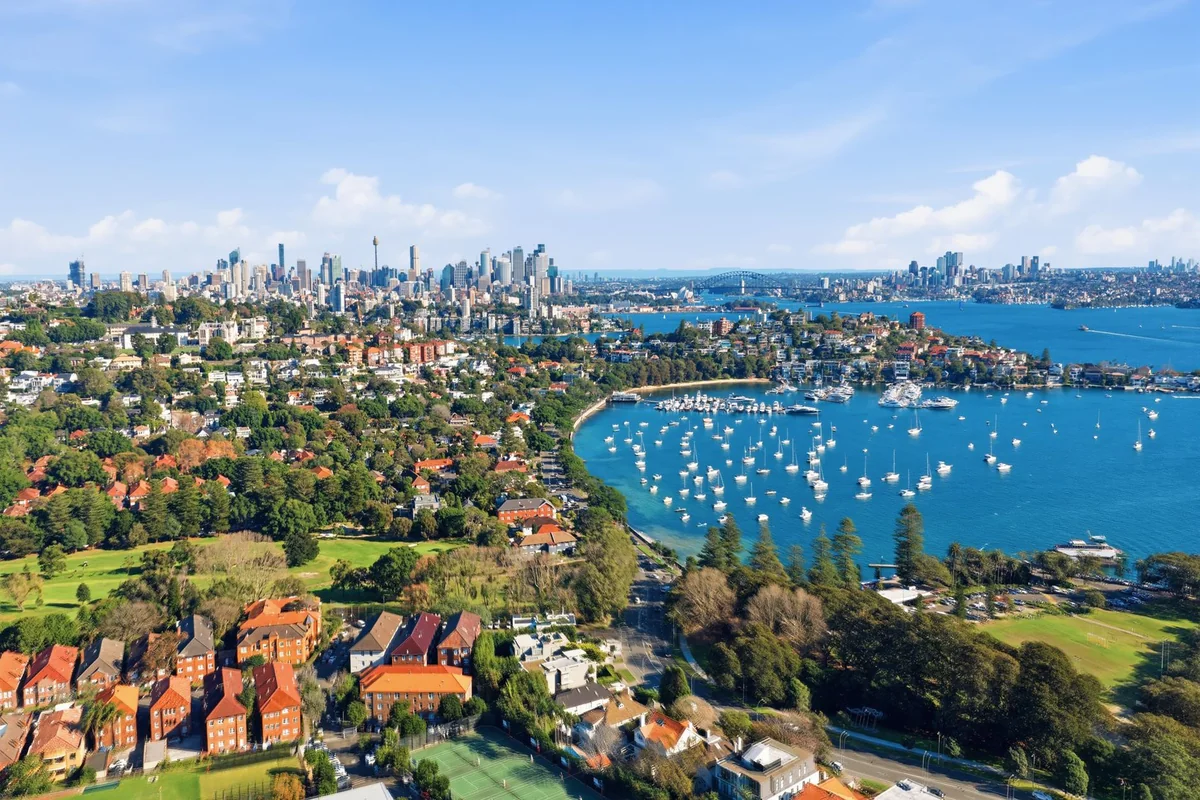
Proximity to the ocean creates a cooling effect through sea breezes. The Northern Beaches, Eastern Suburbs, and Sutherland Shire all benefit from ocean air that moves inland during the day. Coastal suburbs like Manly, Collaroy, and Cronulla stay noticeably cooler than suburbs just 10 kilometres inland.
Tree cover and vegetation reduce the urban heat island effect. Suburbs with more parks, gardens, and tree-lined streets stay cooler than concrete-heavy areas. Leafy suburbs like Wahroonga, Turramurra, and Bowral have more vegetation and lower temperatures as a result.
The Coolest Suburbs in and Around Sydney
If you're looking for genuinely cooler places to live, here are the suburbs that consistently record lower temperatures.
Blue Mountains Suburbs (Coolest Option)
Katoomba, Leura, and Springwood are the coldest suburbs in the greater Sydney region. Katoomba averages 2 to 4 degrees cooler than the CBD in summer. Winter is noticeably colder too, so this option only works if you don't mind cold weather. The trade-off is a 90-minute commute to the city, but many remote workers and retirees choose this for the climate alone.
- Katoomba: 680 metres elevation, average summer high 27°C
- Leura: 600 metres elevation, similar temperatures to Katoomba, more upmarket
- Springwood: 200 metres elevation, slightly warmer than Katoomba but still cool
Northern Beaches (Coastal Cooling)
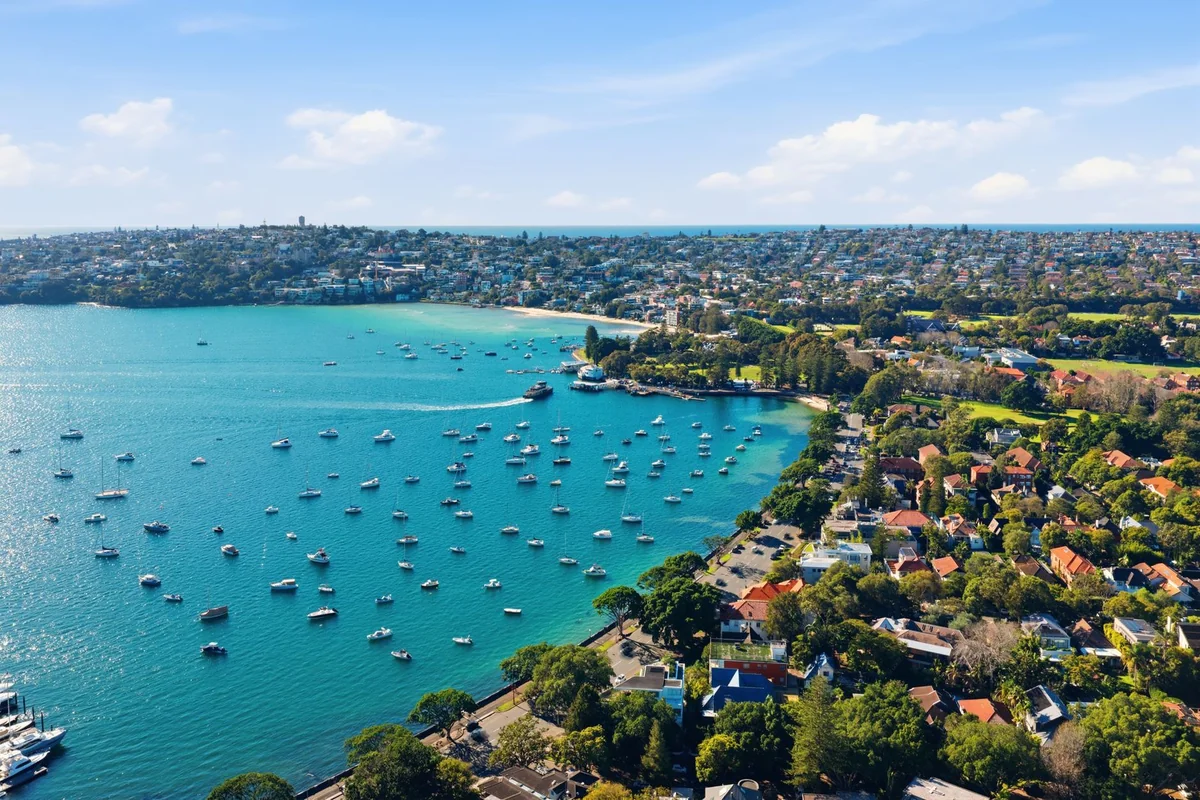
Manly, Collaroy, Narrabeen, and Avalon stay cool because of constant ocean breezes. Summer highs average 25 to 26°C, compared to 28°C in the CBD. The beaches mean you can cool off any time. The downside is expensive rent and a 45-minute commute to the city.
- Manly: 25°C average summer high, strong sea breeze
- Collaroy: 25°C average summer high, quieter than Manly
- Narrabeen: 26°C average summer high, family-friendly
Sutherland Shire (Coastal and Leafy)
Cronulla, Sutherland, and Kirrawee combine ocean proximity with tree cover. Cronulla is beachside and stays around 25 to 26°C. Sutherland and Kirrawee are slightly inland but still cool, around 26 to 27°C. The Shire is less crowded than the Northern Beaches and has good schools, making it popular with families.
Eastern Suburbs (Close to City)
Clovelly, Coogee, and Bronte are beachside and only 15 to 20 minutes from the CBD. Summer highs average 26 to 27°C. These suburbs are expensive but worth it if you want both cool weather and proximity to work.
Leafy Inner-West Suburbs (Moderate Cooling)
Wahroonga, Turramurra, and Thornleigh in the Upper North Shore are 20 to 30 minutes from the city and stay 1 to 2 degrees cooler than the CBD because of tree cover and slight elevation. They're not as cool as the mountains or beaches, but they're more affordable and closer to work than coastal options.
Southern Highlands (Cool and Scenic)
Bowral, Mittagong, and Moss Vale are 90 minutes south of Sydney and sit at 600 metres elevation. Summers are noticeably cooler, and many people commute from here on weekends or work remotely. Winter is cold, so this only works if you're comfortable with that trade-off.
How to Check Temperature Data Before Moving
Don't rely on feeling. Check actual temperature records for suburbs you're considering. The Bureau of Meteorology publishes historical climate data for Sydney suburbs, and you can compare average highs, lows, and humidity levels.
Visit the Bureau of Meteorology website and search for climate data by suburb. Look at January and February averages, which are the hottest months. Compare the average maximum temperature and relative humidity between suburbs.
You can also check real estate websites like Domain or Realestate.com.au and look at suburb profiles. Many include climate information and average temperatures. Talk to locals or join suburb-specific Facebook groups and ask about summer heat. People who live there will give you honest feedback about what it's actually like.
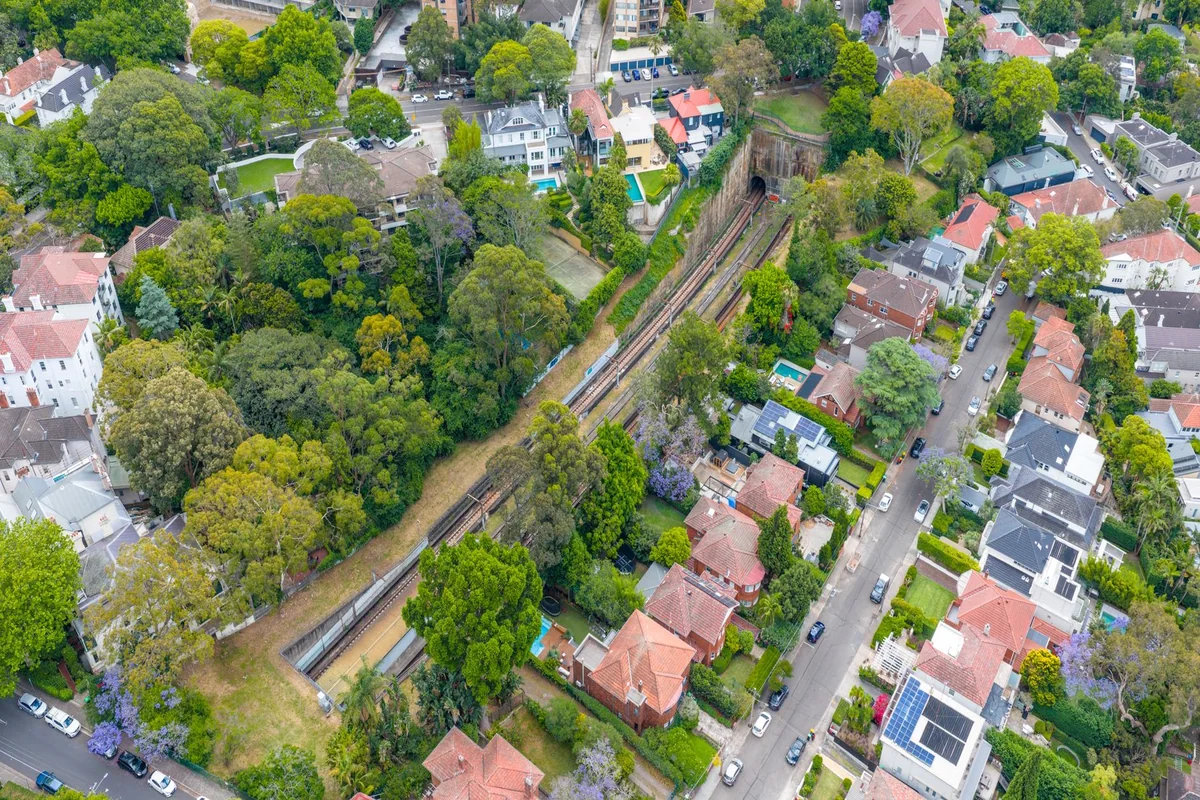
Use Google Maps Street View to check tree cover. Suburbs with lots of trees visible from the street will be cooler. Look at parks, gardens, and street vegetation. This is a quick visual way to assess how green a suburb is.
Practical Factors Beyond Temperature
Choosing a suburb based only on temperature is a mistake. You also need to consider commute time, rent prices, job availability, schools, and transport links.
The Northern Beaches are cool but expensive. A one-bedroom apartment in Manly costs 30 to 40 percent more than the same place in Wahroonga. If you're on a student visa or working on a temporary visa, the cost difference might be too much.
The Blue Mountains are cool but remote. A 90-minute commute works if you're retired or work from home. If you need to be in the city five days a week, it's not practical. Check transport options on Transport NSW before committing.
Coastal suburbs have great weather but can be windy. Manly and Collaroy get strong southerly winds in summer that some people find uncomfortable. Inland suburbs are calmer.
Leafy inner suburbs like Wahroonga offer a middle ground: cooler than the CBD, closer to work, and more affordable than the beaches. The temperature difference is smaller, but the practical trade-offs are better.
If you're working in Western Sydney (Parramatta, Penrith), moving to the Blue Mountains makes sense. If you're working in the CBD or Eastern Suburbs, the Northern Beaches or Sutherland Shire are more practical, even if they're slightly warmer than the mountains.
- Real mid-market exchange rate — no markup added
- Low fees from 0.4% (~$4 on a $1,000 transfer to India)
- Arrives in 1–2 business days to 80+ countries
- No monthly fees — pay only when you transfer
Sources
For climate data and weather information, check these official sources:
- Bureau of Meteorology (BOM) - Historical climate data and temperature records for Sydney suburbs
- Transport NSW - Journey planner and transport information for Sydney suburbs
Frequently Asked Questions
Which Sydney suburb is the coolest in summer?
Katoomba in the Blue Mountains is the coolest, averaging 2 to 4 degrees cooler than the CBD because it sits at 680 metres elevation. Leura is similarly cool. Both are about 90 minutes from the city.
Are coastal suburbs cooler than inland suburbs in Sydney?
Yes, coastal suburbs like Manly, Collaroy, and Cronulla stay 2 to 3 degrees cooler than the CBD because of ocean breezes. Inland suburbs like Parramatta are hotter because they lack this cooling effect.
How much cooler are the Blue Mountains compared to Sydney CBD?
The Blue Mountains (Katoomba and Leura) are typically 3 to 4 degrees cooler than the CBD in summer. This is because of their high elevation (600 to 680 metres) and lower urban density.
What is the best cool suburb if I need to commute to the city?
Wahroonga, Turramurra, or the Northern Beaches offer a balance. They're 1 to 3 degrees cooler than the CBD and only 20 to 45 minutes away by train. The Blue Mountains are cooler but require a 90-minute commute.
How do I check temperature data for Sydney suburbs before moving?
Visit the Bureau of Meteorology website and search for climate data by suburb. Compare average maximum temperatures and humidity for January and February, the hottest months.
Why do some Sydney suburbs stay cooler than others?
Three factors matter: elevation (higher suburbs are cooler), proximity to the ocean (coastal suburbs get sea breezes), and tree cover (leafy suburbs have less urban heat). The Blue Mountains have all three advantages.
Are cooler suburbs more expensive to rent in Sydney?
Coastal cool suburbs like Manly and Collaroy are expensive. Leafy inner suburbs like Wahroonga are moderate. The Blue Mountains are affordable but far from the city. Cost depends on location, not just temperature.
What is the average summer temperature in Manly compared to Parramatta?
Manly averages around 25 to 26°C in summer, while Parramatta averages 28 to 29°C. The 3-degree difference is due to Manly's coastal location and ocean breezes.
This is general information only. It is not legal, migration, financial, tax, medical, or professional advice. Always check official sources before acting.