Can You Get a Credit Card Without an Australian Address?
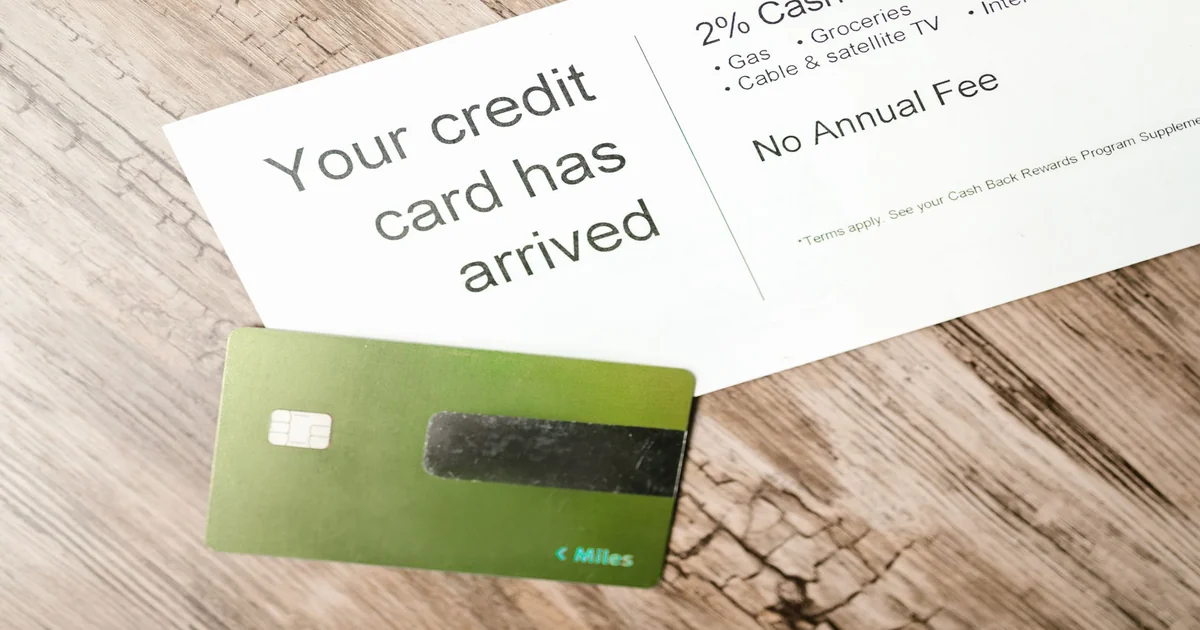
Getting a credit card without an Australian address is possible, but it requires more effort and planning than it does for residents with a permanent home. If you are a new migrant, international student, or temporary visa holder, you may find yourself in this exact situation. Banks and credit card providers in Australia have strict identity verification requirements, and an Australian address is typically one of the key pieces of evidence they ask for. However, several options exist that can help you secure a credit card even if you do not yet have a fixed residential address.
The main challenge is that most Australian banks require proof of identity and proof of residence before they will issue a credit card. Without a permanent address, you will need to provide alternative documentation or use a temporary address that you can verify. Understanding your options and knowing which banks are most flexible will save you time and frustration.
Why Banks Require an Australian Address
Australian banks ask for a residential address for several important reasons. First, they use it to verify your identity and conduct background checks. Second, they need a valid address to send your credit card and statements. Third, they use your address to assess your creditworthiness and comply with anti-money laundering laws. The Australian Transaction Reports and Analysis Centre (AUSTRAC) requires banks to know their customers and verify their identity, which includes confirming where they live.
Without an address on file, banks cannot complete these checks, which is why they are reluctant to issue credit cards to people without a verified Australian residence. However, this does not mean it is impossible.
Options for Getting a Credit Card Without a Permanent Address
Use a Temporary or Care-Of Address
Many banks will accept a temporary address if you can prove you are living there. This might be a hostel, shared house, Airbnb, or even a friend's address. The key is that you must be able to provide proof of residence at that address. Acceptable proof typically includes a utility bill, lease agreement, or a letter from the property owner confirming you live there. Some banks are more flexible with temporary addresses than others, so it is worth calling ahead to ask what they accept.
Use Your Employer's Address
If you are working in Australia, some banks will accept your workplace address as your residential address, particularly if you are a new migrant or international student. This is not ideal, but it can work as a temporary solution. You will need to provide a letter from your employer on company letterhead confirming your employment and that you can receive mail at that address. Not all banks accept this, so check with your chosen provider first.
Use a Care-Of Address at a Post Office or Mail Service
Private mail services and some post offices offer care-of (c/o) addresses that you can use to receive mail. You can rent a mailbox or use a mail forwarding service, and some banks will accept this as a residential address. This is particularly useful if you are moving around frequently or staying in temporary accommodation. Services like Australia Post offer mail redirection, though this is typically for forwarding mail rather than providing a permanent address. Private mail services may be more flexible.
Apply for a Credit Card Online with a Temporary Address
Some online-only banks and fintech companies are more flexible about address requirements than traditional banks. They may accept a temporary address or allow you to update your address after you have settled. Providers like Wise, Revolut, and some Australian digital banks have simpler onboarding processes. However, these may not offer traditional credit cards; instead, they offer debit cards or prepaid cards, which work differently.
Get a Secured Credit Card
A secured credit card is backed by a cash deposit that you place with the bank. This reduces the bank's risk, which means they may be more willing to issue a card to someone without a permanent address. You will need to deposit money (typically between $500 and $3,000) into a savings account, and your credit limit will be equal to or slightly less than that deposit. Secured cards are a good way to build credit history in Australia while you are getting settled.
Banks and Providers That May Accept Non-Permanent Addresses
Not all banks are equally flexible. The major Australian banks (Commonwealth Bank, Westpac, NAB, and ANZ) have stricter requirements and are less likely to approve applications without a permanent address. However, smaller banks and online providers may be more accommodating.
Before you apply, call the bank's customer service line and explain your situation. Ask specifically whether they accept temporary addresses, care-of addresses, or employer addresses. Some banks have dedicated teams for new migrants and international students who understand these challenges and may have special processes in place.
Online banks and fintech providers often have faster, more flexible approval processes. They may also offer features that are useful for people without a permanent address, such as digital statements and the ability to update your address online without visiting a branch.
Documents You Will Need
Regardless of which bank or provider you choose, you will need to provide certain documents to verify your identity and address. Here is what to prepare:
- A valid form of identification (passport, visa, or driver's license)
- Proof of your temporary address (lease agreement, utility bill, letter from property owner, or hostel booking confirmation)
- Proof of income (payslips, employment letter, or student enrollment letter)
- Your Tax File Number (TFN) if you have one, or an application for one
- Contact details (phone number and email address)
If you are using an employer's address or a care-of address, bring a letter from your employer or the mail service provider confirming that you can receive mail there. The more documentation you can provide, the stronger your application will be.
Building Your Credit History in Australia
Getting your first credit card in Australia is not just about making purchases; it is also about building a credit history. Your credit history affects your ability to get loans, mortgages, and rental properties in the future. When you apply for a credit card, the bank will check your credit file with credit reporting agencies like Equifax and Experian. If you are new to Australia, you may not have a credit history yet, which can make approval harder.
Once you have a credit card, use it responsibly. Pay your bills on time, keep your balance low, and avoid applying for multiple cards at once. Each application creates a hard inquiry on your credit file, which can lower your score. After six months to a year of responsible use, you will have a positive credit history that makes it easier to access other financial products.
You can check your credit file for free through the Australian credit reporting agencies. Visit Equifax or Experian's website to request a free copy of your credit report. This helps you understand what information banks are seeing about you.
Alternatives to Credit Cards
If you cannot get a credit card right away, there are other options that can help you manage money and build credit history:
- Debit cards: Most banks issue debit cards with a bank account, and these are easier to get than credit cards. You can use them anywhere that accepts card payments.
- Prepaid cards: These work like debit cards but are not linked to a bank account. You load money onto them and spend up to that amount. They are useful for budgeting and do not require a credit check.
- Buy now, pay later services: Services like Afterpay and Zip let you split purchases into smaller payments. These do not require a credit card, though they may do a soft credit check.
- Bank accounts: Opening a basic bank account is easier than getting a credit card and is essential for receiving wages and managing money in Australia.
- Real mid-market exchange rate — no markup added
- Low fees from 0.4% (~$4 on a $1,000 transfer to India)
- Arrives in 1–2 business days to 80+ countries
- No monthly fees — pay only when you transfer
Useful Official Sources
For more information about credit cards, credit reporting, and financial products in Australia, visit these official resources:
- MoneySmart (ASIC) - Independent financial guidance and credit card comparisons
- Department of Home Affairs - Information on visa requirements and residency
Frequently Asked Questions
Can I get a credit card in Australia without an Australian address?
Yes, but it is more difficult. You can use a temporary address, employer address, or care-of address if you can provide proof of residence. Some online banks and fintech providers are more flexible than traditional banks.
What counts as proof of residence for a credit card application?
Acceptable proof includes a lease agreement, utility bill, letter from a property owner, hostel booking confirmation, or a letter from your employer. The document must show your name and the address you are using.
Are secured credit cards easier to get without a permanent address?
Yes, secured credit cards are easier to obtain because they are backed by a cash deposit. Banks are more willing to approve applications for secured cards because their risk is lower, even if you do not have a permanent address.
What should I do if I cannot get a credit card right away?
Open a bank account and use a debit card instead. You can also use prepaid cards or buy now, pay later services. Once you have settled and have a permanent address, applying for a credit card will be easier.
Do I need a Tax File Number to get a credit card in Australia?
You do not always need a TFN to open a bank account or get a debit card, but most credit card applications require one. If you do not have a TFN, you can apply for one through the Australian Taxation Office.
How long does it take to build credit history in Australia?
It typically takes six months to a year of responsible credit card use to build a positive credit history. After this time, you will find it easier to access other financial products like loans and mortgages.
This is general information only. It is not legal, migration, financial, tax, medical, or professional advice. Always check official sources before acting.