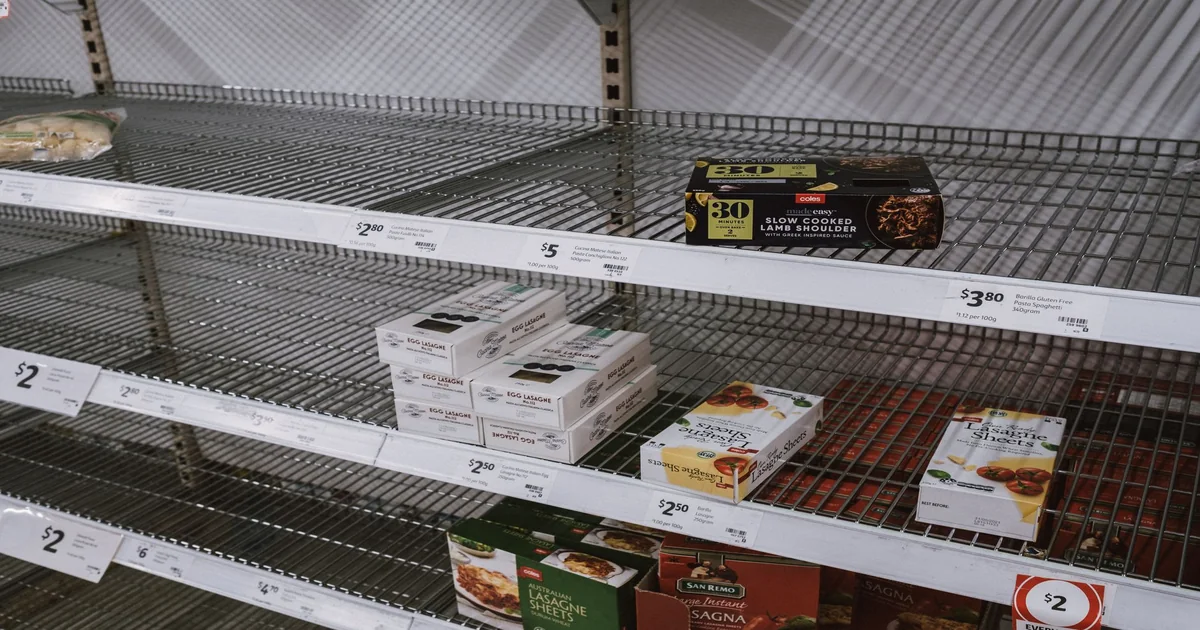
Understanding Grocery Prices in Sydney
Grocery prices in Sydney have risen significantly, and understanding what you'll actually spend on food is essential for budgeting as a new migrant, student, or family. The cost of living in Sydney is higher than most Australian regional areas, and groceries are a major part of weekly household expenses. Whether you're earning an Australian wage for the first time or managing a student budget, knowing realistic food costs helps you plan ahead and avoid financial stress.
As of 2026, a single person in Sydney typically spends between AUD 80 and 120 per week on groceries, depending on dietary choices and shopping habits. A family of four can expect to spend between AUD 250 and 400 per week. These figures vary based on where you shop, what you buy, and whether you choose budget brands or premium products. Understanding these costs upfront means you won't be shocked at the checkout.
Weekly Grocery Budget Breakdown for Sydney Households
Breaking down your grocery spend into categories helps you see where your money goes and where you can save. Here's a realistic weekly budget for a family of four in Sydney:
- Proteins (meat, chicken, fish, eggs, legumes): AUD 60-90 per week. Chicken and eggs are usually cheaper than beef or fish. Canned beans and lentils offer affordable plant-based protein.
- Vegetables and fruit: AUD 40-60 per week. Seasonal produce is cheaper. Root vegetables like potatoes, onions, and carrots last longer and cost less than imported berries.
- Grains and bread: AUD 20-30 per week. Home-brand bread, rice, and pasta are budget-friendly staples.
- Dairy and alternatives: AUD 30-50 per week. Milk, cheese, and yoghurt add up quickly. Budget brands save money here.
- Pantry staples (oil, salt, spices, sauces): AUD 15-25 per week. These last longer, so costs spread across multiple weeks.
- Snacks and extras: AUD 20-40 per week. This is where overspending happens easily. Limit packaged snacks and sugary drinks.
For a single person, reduce these amounts by roughly 60-70%. A couple typically spends AUD 140-200 per week. These are averages; your actual spend depends on your food preferences, dietary requirements, and shopping choices.
Where to Shop and How to Save on Groceries in Sydney
Sydney has several major supermarket chains, and prices vary between them. The main options are Woolworths, Coles, Aldi, and IGA. Aldi and budget sections within Woolworths and Coles offer the lowest prices. Comparing prices across stores can save you 15-25% per week.
Budget supermarket chains: Aldi stores are scattered across Sydney and consistently offer lower prices than Woolworths and Coles. Their home-brand products are good quality and cost significantly less. Costco (membership required, around AUD 60 per year) offers bulk discounts if you have storage space and buy in larger quantities.
Farmers markets and local produce: Markets like Paddy's Markets in Haymarket and local farmers markets in suburbs like Glebe and Marrickville offer cheaper fresh produce, especially near closing time when vendors reduce prices. You'll find better quality and lower costs than supermarkets for vegetables and fruit.
Money-saving shopping habits: Use your phone to compare prices using apps like Basket or Trolley. Buy home-brand products instead of name brands (quality is usually identical). Shop with a list and avoid impulse purchases. Buy seasonal produce. Frozen vegetables and fruit are cheaper than fresh and just as nutritious. Buy meat on sale and freeze it. Avoid pre-packaged or pre-cut items; prepare them yourself to save 30-40%.
Many supermarkets offer loyalty programs (Woolworths Rewards, Coles Flybuys) that provide discounts and cashback. Sign up for these free programs to reduce your weekly spend by 5-10%.
Realistic Weekly Meal Plans and Budget Shopping Lists
Planning meals before you shop prevents waste and keeps costs down. Here's a realistic weekly meal plan for a family of four that costs around AUD 280-320:
Breakfast options (budget-friendly): Porridge with banana, toast with peanut butter, eggs on toast, yoghurt with granola, cereal with milk. Cost: AUD 20-30 per week for four people.
Lunch options: Sandwiches with leftover dinner proteins, pasta salad, rice bowls with vegetables and canned beans, soup made from leftover vegetables. Cost: AUD 30-40 per week.
Dinner options for the week: Monday: Spaghetti bolognese with home-brand pasta and budget mince. Tuesday: Roast chicken with potatoes and carrots. Wednesday: Stir-fry with rice, frozen vegetables, and eggs. Thursday: Curry made with canned tomatoes, lentils, and onions. Friday: Tacos with budget mince and home-made salsa. Saturday: Slow cooker stew with cheap cuts of beef and root vegetables. Sunday: Roast vegetables and beans on toast. Cost: AUD 120-150 per week.
Snacks and extras: Apples, bananas, homemade biscuits, popcorn, cheese and crackers. Cost: AUD 30-40 per week.
This plan uses affordable proteins, seasonal vegetables, and bulk staples. Cooking from scratch rather than buying takeaway or ready-made meals saves the most money. One home-cooked meal instead of takeaway saves AUD 15-25 per meal.
Managing Grocery Costs as a Student or New Migrant
If you're on a tight budget, grocery costs can feel overwhelming. Students and temporary visa holders often live on AUD 60-100 per week for food. Here's how to manage:
Shop at Aldi or discount supermarkets: Aldi's prices are 20-30% lower than Woolworths and Coles. If there's no Aldi near you, use the budget sections in other supermarkets.
Buy in bulk with friends: Share a Costco membership or bulk buy from markets with other students or migrants. Split the cost and storage.
Use community resources: Some universities and community centres offer food banks or subsidised meal programs. Check with your university or local council.
Reduce food waste: Plan meals, use leftovers creatively, and freeze food before it spoils. Food waste is money wasted.
Cook communal meals: If you share housing, cook together and split costs. A shared meal costs less per person than cooking alone.
Avoid convenience foods: Pre-made sandwiches, takeaway coffee, and packaged snacks cost 3-5 times more than making them at home. A coffee from a cafe costs AUD 4-5; making it at home costs AUD 0.50.
If you're struggling to afford food, contact Services Australia to check if you qualify for financial assistance. Some temporary visa holders may not be eligible, but it's worth checking your circumstances.
Understanding Food Price Inflation and Cost Changes
Food prices in Australia have increased faster than general inflation in recent years. Dairy, meat, and fresh produce have seen the largest increases. Understanding why prices change helps you plan better.
Seasonal price changes: Fruit and vegetables are cheaper when in season. Strawberries cost AUD 3-4 per punnet in summer but AUD 6-8 in winter. Buy seasonal produce and freeze or preserve it.
Import costs: Australia imports some foods, so international shipping costs and exchange rates affect prices. Imported items like certain cheeses or specialty foods are more expensive.
Supermarket specials: Prices fluctuate weekly. Buying items on special and stocking up (if you have storage) saves money over time. Check weekly catalogues online before shopping.
For current information on cost of living and budgeting, visit MoneySmart, which provides Australian budgeting tools and cost of living guides.
- Real mid-market exchange rate — no markup added
- Low fees from 0.4% (~$4 on a $1,000 transfer to India)
- Arrives in 1–2 business days to 80+ countries
- No monthly fees — pay only when you transfer
Sources
- Services Australia - Financial assistance and support programs
- MoneySmart - Budgeting tools and cost of living information
Frequently Asked Questions
How much should I budget for groceries per week in Sydney?
A single person typically spends AUD 80-120 per week, a couple spends AUD 140-200, and a family of four spends AUD 250-400 per week. Costs vary based on dietary choices, where you shop, and whether you buy budget or premium brands.
Which supermarkets in Sydney have the cheapest prices?
Aldi consistently offers the lowest prices, typically 20-30% cheaper than Woolworths and Coles. Costco offers bulk discounts with a membership. Farmers markets like Paddy's Markets also offer cheaper fresh produce.
What are the cheapest proteins to buy in Sydney?
Eggs, chicken, canned beans, and lentils are the most affordable proteins. Beef and fish are more expensive. Buying meat on sale and freezing it helps reduce costs.
How can I reduce my grocery bill as a student or new migrant?
Shop at Aldi, buy seasonal produce, plan meals before shopping, cook from scratch, avoid pre-packaged foods, and use supermarket loyalty programs. Sharing bulk purchases with friends also reduces per-person costs.
Are frozen vegetables and fruit cheaper than fresh in Sydney?
Yes, frozen vegetables and fruit are typically cheaper and last longer than fresh. They're just as nutritious and reduce food waste.
What should I include in a weekly grocery budget for a family of four?
Budget AUD 60-90 for proteins, AUD 40-60 for vegetables and fruit, AUD 20-30 for grains, AUD 30-50 for dairy, and AUD 15-25 for pantry staples. Total: AUD 250-400 per week depending on choices.
How much does takeaway cost compared to home-cooked meals in Sydney?
A home-cooked meal costs AUD 3-8 per person, while takeaway typically costs AUD 15-25 per meal. Cooking at home saves AUD 15-25 per meal compared to ordering out.
Where can I find help if I cannot afford groceries in Sydney?
Contact Services Australia to check if you qualify for financial assistance. Some universities and community centres offer food banks or subsidised meal programs. Check with your local council or community centre for resources.
This is general information only. It is not legal, migration, financial, tax, medical, or professional advice. Always check official sources before acting.