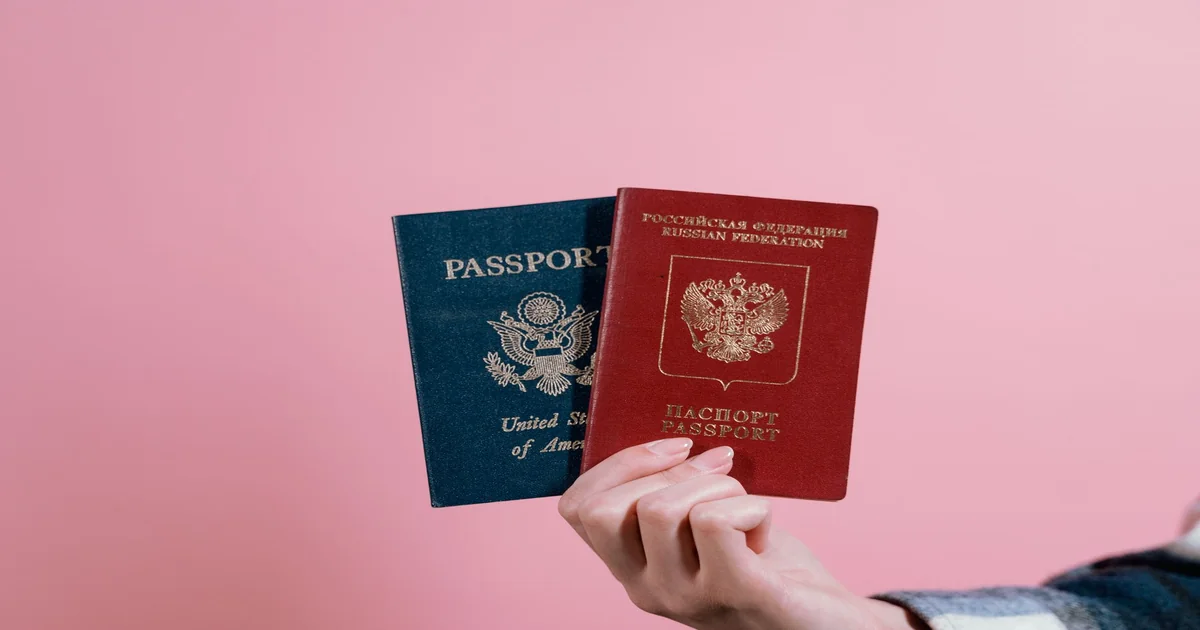
The Problem: Where Do You Actually Lodge a Visa Application in Sydney?
If you've arrived in Sydney or are planning to move here, you might assume there's a visa office where you can walk in and submit your application in person. There isn't. Australia's Department of Home Affairs closed all walk-in visa lodgement counters years ago. The Sydney office at 101 George Street, Parramatta is not a public counter. Instead, all visa applications must go through ImmiAccount, the Department's online portal. This shift confuses many new arrivals, but once you understand the process, it's straightforward and often faster than paper applications.
Setting Up Your ImmiAccount: The First Step
Before you can lodge any visa application, you need an ImmiAccount. This is your secure online gateway to the Department of Home Affairs. Creating one takes about 10 minutes.
Go to immi.homeaffairs.gov.au and click 'Create account'. You'll need a valid email address and a password with at least 12 characters (including uppercase, lowercase, numbers, and symbols). The Department takes security seriously, so choose a strong password you haven't used elsewhere.
Once your account is created, you'll need to set up Multi-Factor Authentication (MFA). From 18 June 2025, this is mandatory for all users. MFA adds a second layer of security by requiring you to verify your identity each time you log in or make changes to your account.
You have two MFA options:
- A mobile authenticator app (Google Authenticator, Microsoft Authenticator, LastPass, or Duo Mobile)
- An email token sent to your registered email address
Most people choose the authenticator app because it works offline. Download the app to your phone, scan the QR code ImmiAccount provides, and save your backup codes in a safe place. If you lose your phone, those backup codes are your only way back in.
Choosing Your Visa Type and Checking Eligibility
Australia has dozens of visa subclasses. The one you need depends on why you're coming to Sydney. Are you a student? A skilled worker? A partner of an Australian citizen? A visitor?
Student visas (Subclass 500) cost AUD 2,000 as of 1 July 2025. Visitor visas (Subclass 600) cost AUD 200 if you're applying from overseas, or AUD 500 if you're already in Australia. Partner visas (Subclass 820/801 or 309/100) cost AUD 9,365. Skilled Independent visas (Subclass 189) cost AUD 5,800. These fees increased on 1 July 2025 and will likely increase again in future years.
Before you lodge, check the official eligibility criteria for your visa type. The Department's website lists every requirement. If you don't meet them, your application will be refused and you'll lose your fee. Spend time on this step. Read the visa requirements document twice.
Log into ImmiAccount, click 'New application', and select your visa type from the dropdown menu. The system will ask you a series of questions to confirm you're eligible. Answer honestly. If the system says you don't qualify, stop and seek advice from a migration agent or the Department before proceeding.
Gathering and Uploading Your Documents
This is where most applications slow down. The Department needs evidence that you meet every requirement for your visa type. For a student visa, that means proof of enrolment, proof of financial capacity, and English language test results. For a skilled visa, it means your qualification certificates, work experience letters, and skills assessment. For a partner visa, it means relationship evidence, police checks, and health examinations.
The Department publishes a document checklist for every visa type. Download it. Print it. Tick off each item as you gather it. Do not guess what documents you need. The checklist is your contract with the Department.
Documents must be uploaded as PDF, JPG, or PNG files. Each file must be under 20 MB. If your document is larger, compress it or split it into multiple files. If you have a paper document (like a birth certificate), scan it at high resolution (at least 300 dpi) so it's readable.
The Department prefers certified copies of official documents. A certified copy is a photocopy that a qualified person (like a lawyer, accountant, or notary) has signed and stamped to confirm it matches the original. For documents from overseas, you may need an apostille (an international certification that the document is genuine). Your migration agent or the issuing authority can advise.
Upload documents in the order the checklist specifies. Label each file clearly: 'Passport_Page1', 'EnglishTest_IELTS', 'EmploymentLetter_2024'. This helps the case officer find what they need quickly.
Paying the Visa Application Charge
Once you've uploaded all your documents, ImmiAccount will calculate your visa application charge. As of 1 July 2025, fees have increased across most visa types. You cannot lodge your application until you've paid.
ImmiAccount accepts payment by credit card (Visa, Mastercard, American Express) or debit card. It does not accept bank transfers or cash. The payment is processed instantly. You'll receive a receipt immediately. Keep this receipt. It's your proof of payment.
If you're applying for a visa for family members (like a partner or dependent children), each person needs a separate application and separate payment. There's no family discount.
Some visa types have a nil charge (no fee). This is rare, but it does apply to some humanitarian and protection visas. If your visa type has a nil charge, you can proceed to lodgement without paying anything.
Submitting Your Application
Before you hit 'Submit', review everything one more time. Check that your personal details are spelled correctly. Confirm that all documents are uploaded. Verify that you've paid the fee. Once you submit, you cannot add or remove documents without contacting the Department.
Click 'Submit application'. The system will ask you to confirm. Click 'Yes'. Your application is now lodged.
You'll receive a transaction reference number. This is your application ID. Write it down. Screenshot it. Email it to yourself. You'll need this number every time you contact the Department about your application.
Tracking Your Application and What Happens Next
After lodgement, your application enters a queue. Processing times vary wildly depending on the visa type, your country of residence, and how complete your application is. A visitor visa might be decided in days. A skilled visa might take months. A partner visa can take over a year.
Log into ImmiAccount regularly to check your application status. The Department will send you messages through ImmiAccount if they need more information. They will not email you or call you (unless you've provided a phone number and they need to contact you urgently). Check ImmiAccount at least once a week.
If the Department asks for more documents, upload them as soon as possible. Do not ignore requests. If you miss a deadline, your application may be refused.
Most applications are decided without an interview. Some require a health examination or police check. If you need a health exam, the Department will tell you which panel doctor to visit. Panel doctors are approved by the Department and are scattered across Sydney and Australia. The exam costs around AUD 300 to 500 (you pay the doctor, not the Department).
Common Mistakes to Avoid
Incomplete applications are the biggest cause of delays. Missing documents, spelling errors, and outdated information all slow things down. Take your time filling out the form. Use the exact spelling of your name as it appears on your passport. If your name has changed, provide evidence of the change (marriage certificate, deed poll, etc.).
Do not lie on your application. The Department checks everything. If you claim work experience you don't have, or hide a criminal conviction, your application will be refused and you may be banned from applying again. Honesty is always the best policy.
Do not share your ImmiAccount login details with anyone, including migration agents. From 18 June 2025, MFA makes shared accounts impossible anyway. If an agent needs to access your account, they should apply for power of attorney through the Department's official process.
Do not assume the Department has received your documents just because you uploaded them. If you're unsure, contact the Department to confirm. Their phone line is 131 881 (within Australia). Wait times can be long, but they will answer.
When to Use a Migration Agent
You don't need a migration agent to lodge a visa application. Many people do it themselves and succeed. But if your situation is complex (multiple visa refusals, criminal history, health issues, or a complicated family situation), an agent can help. A registered migration agent costs between AUD 1,500 and 5,000, depending on the visa type and complexity.
If you hire an agent, make sure they're registered with the Office of the Migration Agents Registration Authority (MARA). Check their registration at mara.gov.au. An unregistered agent cannot legally represent you and may give you bad advice.
Useful Official Sources
- ImmiAccount (Department of Home Affairs) - Lodge your visa application online
- Department of Home Affairs Help Centre - FAQs, guides, and contact information
- Office of the Migration Agents Registration Authority (MARA) - Find a registered migration agent
- Visa Types and Requirements - Official list of all Australian visas
Frequently Asked Questions
Can I lodge a visa application in person at the Sydney office?
No. The Department of Home Affairs closed all walk-in visa lodgement counters. The Sydney office at 101 George Street, Parramatta is not a public counter. All visa applications must be lodged online through ImmiAccount.
What is Multi-Factor Authentication (MFA) and why do I need it?
MFA is a security requirement introduced on 18 June 2025. It requires you to verify your identity each time you log into ImmiAccount using either a mobile authenticator app or an email token. This prevents unauthorised access to your account.
How much does a visa application cost in Sydney?
Visa fees vary by type and were updated on 1 July 2025. Student visas cost AUD 2,000, visitor visas cost AUD 200 to 500, partner visas cost AUD 9,365, and skilled visas cost AUD 5,800 to 6,200. Some visa types have no fee.
How long does it take to get a decision on my visa application?
Processing times vary widely depending on the visa type, your country of residence, and application completeness. Visitor visas may be decided in days, while skilled and partner visas can take months or over a year.
What documents do I need to upload with my visa application?
The Department publishes a document checklist for every visa type on its website. Download the checklist for your visa type and gather all listed documents. Common documents include passport copies, proof of identity, financial evidence, and qualification certificates.
Can I add documents to my application after I submit it?
No. Once you submit your application, you cannot add or remove documents without contacting the Department. If they need more information, they will request it through ImmiAccount.
Do I need a migration agent to lodge a visa application?
No, you can lodge an application yourself. However, if your situation is complex (multiple refusals, criminal history, or complicated family circumstances), a registered migration agent can help. Check their registration at mara.gov.au.
What should I do if the Department asks for more documents?
Upload the requested documents as soon as possible through ImmiAccount. Do not ignore requests. If you miss the Department's deadline, your application may be refused.
This is general information only. It is not legal, migration, financial, tax, medical, or professional advice. Always check official sources before acting.