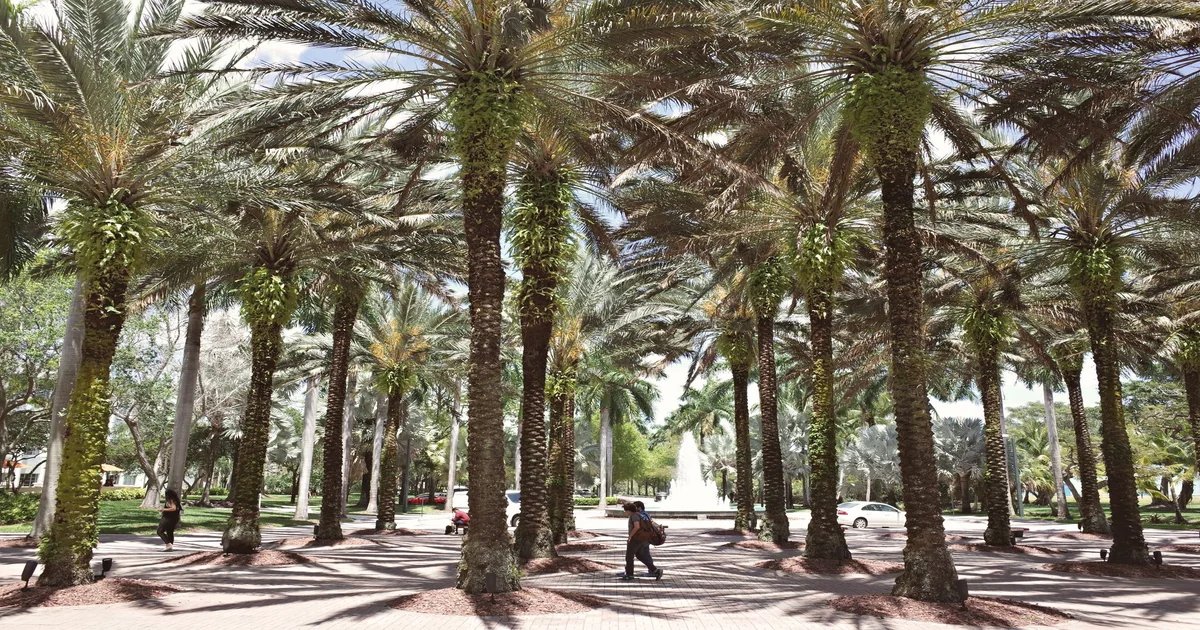
Before You Arrive: Understanding Australian Heat
Australia's summer heat is not like the heat in most other countries. If you're coming from a temperate climate, tropical heat on a student visa in Australia will feel shockingly intense. December to February brings temperatures regularly above 30°C in Sydney, and much hotter inland. Darwin and Cairns can exceed 35°C with high humidity. Your body needs time to adjust, and preparation starts now.
The Australian Bureau of Meteorology tracks heat waves and issues warnings. A heat wave is defined as three or more consecutive days of high maximum and minimum temperatures. During these periods, hospitals see spikes in heat-related illness among people who are not accustomed to the climate. International students are at particular risk because your body has not yet adapted to the heat, and you may not recognise the early warning signs of heat exhaustion.
Start researching the climate of your study location before you leave home. Sydney summers are hot and humid. Brisbane is hotter and more humid. Cairns is tropical year-round. Perth is hot and dry. Melbourne is milder. Tasmania is cooler. Know what you are walking into. Buy lightweight, loose-fitting clothing before you arrive. Pack a wide-brimmed hat and high-SPF sunscreen. These are not luxuries; they are survival gear.
Your First Week: Acclimatisation and Immediate Safety
Your first week in Australia during summer is critical. Heat acclimatisation takes 10 to 14 days. During this time, your body learns to sweat more efficiently and your heart rate stabilises in the heat. You are vulnerable. Do not push yourself.
On arrival, do these things immediately:
- Find your accommodation and locate the air conditioning. If your student accommodation does not have air conditioning, contact your university's accommodation office that day. Many universities have emergency cooling centres or can move you to a cooled room.
- Buy a large water bottle and refill it constantly. Aim for 2 to 3 litres of water per day, more if you are sweating heavily. Do not wait until you are thirsty.
- Identify the nearest medical centre or hospital. Write down the address and phone number. In an emergency, call 000.
- Check the Bureau of Meteorology website for heat wave warnings in your area. Sign up for alerts if your phone allows it.
- Buy electrolyte replacement drinks or powder. Water alone is not enough if you sweat heavily; your body loses salt and minerals.
Avoid strenuous activity during your first week. This includes gym sessions, sports, and long outdoor walks. Stay indoors during the hottest hours, typically 11am to 3pm. Rest. Sleep. Let your body adjust.
Heat illness can strike fast. Know the symptoms of heat exhaustion: heavy sweating, weakness, dizziness, nausea, headache, and muscle cramps. If you feel these symptoms, move to a cool place, drink water, and lie down with your legs elevated. If symptoms do not improve within 30 minutes, seek medical help. Heat stroke is more serious: confusion, loss of consciousness, or no sweating despite high body temperature. Heat stroke is a medical emergency. Call 000 immediately.
Weeks 2 to 4: Building Your Heat Management Routine
By week two, your body is starting to adapt. This is when you can gradually increase activity. But do not drop your guard. Establish routines that protect you.
Create a daily heat management schedule:
- Drink 250ml of water every hour while awake. Set phone reminders if you forget.
- Wear sunscreen SPF 50+ every day, even on cloudy days. Reapply every two hours if you are outdoors.
- Wear light-coloured, loose-fitting clothing made from natural fibres like cotton or linen.
- Avoid alcohol and caffeine; both increase dehydration.
- Eat regular meals with salt. Your body needs sodium to retain water.
- Exercise only before 10am or after 4pm. Avoid midday exercise entirely.
- Take cool showers or baths in the evening to lower your core body temperature before sleep.
If your student accommodation is not air-conditioned, spend the hottest hours in the university library, a shopping centre, or a cafe. Many universities have designated cooling centres during heat waves. Ask your accommodation office or student services.
Check on your friends regularly. Heat illness affects people differently. Someone who seems fine might be struggling. A simple text asking if they have drunk water today can save a life.
If you are working part-time, tell your employer about heat safety. Fair Work Australia sets standards for workplace heat safety. Your employer must provide cool drinking water, rest breaks in cool areas, and adjustment of workload during extreme heat. If your workplace is dangerously hot and your employer refuses to make changes, contact Fair Work on 13 13 94 or visit their website.
Ongoing: Long-Term Heat Resilience Through Summer
As summer progresses, your heat acclimatisation improves. But complacency is dangerous. Heat waves can strike at any time. Maintain your routines.
Monitor yourself for chronic heat stress. If you feel persistently tired, irritable, or unable to concentrate, you may be chronically dehydrated or heat-stressed. Increase water intake and rest. If symptoms persist, see a doctor. Many universities offer free or low-cost health services to international students. Check your student health insurance or university health centre.
Understand your health insurance coverage. Most student visas require Overseas Student Health Cover (OSHC). OSHC covers medical emergencies, but not all preventive care. Check your policy. If you develop heat-related illness, OSHC will cover emergency treatment. If you need ongoing care, you may need to pay out of pocket unless you have additional private insurance.
Learn the signs of heat illness in others. Heatstroke can affect anyone, and you might be the person who recognises it first. If someone is confused, has a very high temperature, is not sweating despite being hot, or loses consciousness, call 000 immediately. Do not wait. Do not move them unnecessarily. Keep them cool while waiting for the ambulance.
Plan your social life around the heat. Summer in Australia is outdoor season for most Australians, but you do not have to join every beach trip or outdoor party. Go to the beach early in the morning or late in the afternoon. Bring plenty of water and sunscreen. Wear a rash vest or shirt in the water; it protects your skin and keeps you cooler. Say no to midday outdoor activities without guilt.
As your body acclimatises over several weeks, you will notice changes. You will sweat more easily, which is good; it means your cooling system is working. Your energy levels will stabilise. You will stop feeling dizzy in the heat. This is normal adaptation. It does not mean you can abandon safety practices. Heat illness can still strike even after acclimatisation.
Emergency Response and When to Seek Help
Know when to seek medical help. Minor heat exhaustion can be managed at home with rest and fluids. But if symptoms worsen or do not improve, see a doctor.
Call 000 if someone has:
- Loss of consciousness or confusion
- Seizures or convulsions
- A body temperature above 40°C
- No sweating despite being very hot
- Severe chest pain or difficulty breathing
- Vomiting that will not stop
For non-emergency medical advice, call 1800 022 222 (NSW Health Line) or visit your nearest urgent care centre. Many universities have on-campus health clinics open during business hours. Use them.
If you are struggling mentally with the heat, that is also worth discussing with a doctor or counsellor. Some people experience anxiety or depression triggered by extreme heat. Universities offer free counselling services to students. There is no shame in using them.
Useful Official Sources
- Australian Bureau of Meteorology - Heat wave warnings and temperature forecasts
- NSW Health - Heat illness prevention and management advice
- Fair Work Australia - Workplace heat safety standards and your rights
- Study Australia - Information on student visas and health insurance requirements
Frequently Asked Questions
How long does it take to acclimatise to Australian heat as an international student?
Heat acclimatisation typically takes 10 to 14 days. During this time, your body learns to regulate temperature more efficiently. You remain vulnerable to heat illness during acclimatisation, so avoid strenuous activity and stay hydrated.
What are the early warning signs of heat exhaustion I should watch for?
Early signs include heavy sweating, weakness, dizziness, nausea, headache, and muscle cramps. If you experience these symptoms, move to a cool place, drink water, and rest. Seek medical help if symptoms do not improve within 30 minutes.
Is heat illness covered by Overseas Student Health Cover (OSHC)?
Yes, OSHC covers emergency medical treatment for heat-related illness. However, check your specific policy for details on coverage limits and any out-of-pocket costs you may incur.
What should I do if my student accommodation does not have air conditioning during a heat wave?
Contact your university's accommodation office immediately. Many universities have emergency cooling centres or can move you to a cooled room during extreme heat. You can also spend the hottest hours in the library, shopping centre, or university facilities.
How much water should I drink per day in Australian summer heat?
Aim for 2 to 3 litres of water per day, more if you are sweating heavily. A practical approach is to drink 250ml of water every hour while awake. Do not wait until you are thirsty; thirst is a late sign of dehydration.
Can I work part-time during extreme heat, and what are my rights?
Yes, but your employer must provide cool drinking water, rest breaks in cool areas, and adjust workload during extreme heat. If your workplace is dangerously hot and your employer refuses to make changes, contact Fair Work Australia on 13 13 94.
What is the difference between heat exhaustion and heat stroke?
Heat exhaustion causes sweating, weakness, and dizziness but is not immediately life-threatening if treated quickly. Heat stroke is more serious: confusion, loss of consciousness, or no sweating despite high temperature. Heat stroke is a medical emergency; call 000 immediately.
Should I avoid outdoor activities completely during summer in Australia?
No, but plan carefully. Go to the beach early morning or late afternoon, bring plenty of water and sunscreen, and avoid midday outdoor activities. Wear light-coloured, loose-fitting clothing and a wide-brimmed hat. Listen to your body and rest when needed.
This is general information only. It is not legal, migration, financial, tax, medical, or professional advice. Always check official sources before acting.