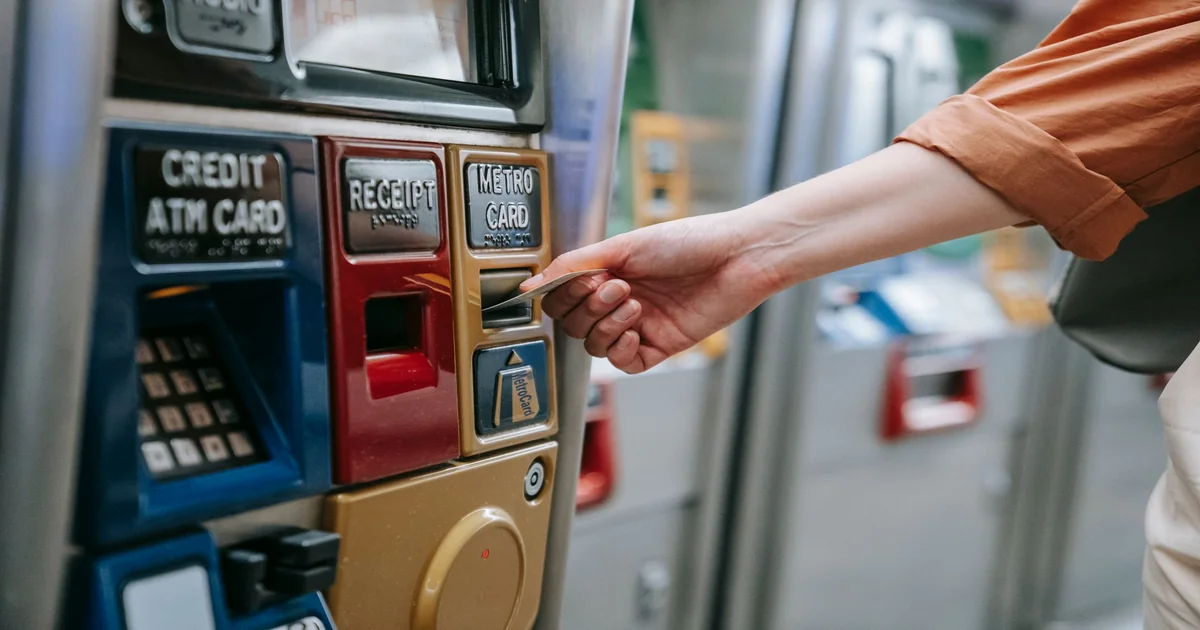
The Real Question: Opal Card or Contactless Payment?
You've just arrived in Sydney, or you're planning your move, and you're wondering how to pay for buses, trains, and ferries without overspending on transport. The choice between an Opal Card and contactless payment (using your debit or credit card) feels simple, but the maths behind it matters. One option could save you hundreds of dollars a year. The other might cost you more than you expect.
The decision isn't about which card is easier to carry. It's about which payment method actually saves you money based on how often you travel and when you travel. This article breaks down the real costs, daily caps, weekly discounts, and the specific situations where each option wins.
How Opal Card Works: Daily and Weekly Caps
The Opal Card is a reusable smartcard issued by Transport NSW. You load credit onto it and tap it at readers on buses, trains, light rail, and ferries across Sydney. The card has built-in daily and weekly caps that automatically limit how much you pay.
Here's how the daily cap works. Each day, you can make as many trips as you want. Once you've spent a certain amount, the card stops charging you. The daily cap depends on the day of the week:
- Monday to Friday: AUD 20.70 per day
- Saturday: AUD 10.35 per day
- Sunday: AUD 10.35 per day
The weekly cap is even more powerful. If you travel Monday to Sunday, the maximum you'll pay is AUD 52.80 per week. This means if you hit the daily cap on a weekday and then travel again, you're protected. The card automatically applies the lower charge.
Single journeys on Opal cost between AUD 2.29 and AUD 3.80 depending on distance. A short hop costs AUD 2.29. A longer journey across multiple zones costs AUD 3.80. But because of the daily and weekly caps, frequent travellers never pay more than the cap, no matter how many trips they take.
Opal Cards are free to get. You can apply online at transportnsw.info or pick one up at convenience stores, newsagents, and train stations across Sydney. There's no monthly fee, no activation cost, and no expiry date.
How Contactless Payment Works: No Cap, No Discount
Contactless payment means tapping your debit card, credit card, or phone (Apple Pay, Google Pay) at the same readers as an Opal Card. Transport NSW treats contactless payments the same way they treat Opal Cards for the purpose of daily caps.
Wait. That's the key point. Contactless payments also get the daily and weekly caps. You're not paying full price for every single journey.
When you tap a contactless card or phone, the system charges you the same single journey fare as Opal: AUD 2.29 to AUD 3.80. But you also get the same daily cap of AUD 20.70 on weekdays and AUD 10.35 on weekends. You also get the weekly cap of AUD 52.80.
The difference is convenience and visibility. With contactless, you don't need to carry a separate card or load credit in advance. You tap your existing payment method. Your bank or card issuer handles the transaction. You see the charge on your regular statement.
There's no fee for using contactless. Your bank might charge you a small fee if you're using an international card or if your account has specific terms, but Transport NSW itself doesn't charge anything extra.
Side-by-Side Comparison: When Each Option Wins
The caps are the same. The fares are the same. So why would you choose one over the other?
The answer depends on your travel pattern and your circumstances.
Choose Opal Card if:
- You're a frequent traveller who hits the daily cap most days. The Opal Card makes it obvious you've reached the cap and won't be charged more. You get peace of mind.
- You want to separate your transport spending from your personal banking. Some people prefer not to use their debit or credit card for every small transaction. Opal keeps transport spending in one place.
- You're using an international card that charges foreign transaction fees. If your bank charges 2-3% per transaction, those fees add up on daily commutes. An Opal Card eliminates this.
- You want a physical card you can hand to someone else (like a family member or friend) if they need to borrow it. Contactless is tied to your personal card or phone.
- You're concerned about card security or fraud. An Opal Card has a lower balance at any time, and you control exactly how much credit is loaded. A debit or credit card has higher limits and more exposure.
Choose Contactless Payment if:
- You travel infrequently and don't want to carry multiple cards. One less thing in your wallet.
- You're visiting Sydney for a short trip and don't want to buy a card you'll never use again. Tap your existing card and go.
- You want to earn rewards or cashback on your transport spending. Some credit cards offer points or cashback on all purchases, including transport. Opal doesn't earn rewards.
- You prefer to see all your spending on one statement. If you use the same card for groceries, rent, and transport, everything appears together.
- You don't want to manage another account or load credit in advance. Contactless charges your card automatically each time you tap.
Real Money Scenarios: What You'll Actually Pay
Let's put numbers on this. Here are three real travel patterns and what each option costs per week.
Scenario 1: Daily commuter (Monday to Friday only)
You take one trip to work and one trip home every weekday. That's 10 trips per week. Each trip costs AUD 3.80 if you paid individually. But with the daily cap, you hit AUD 20.70 on day one and pay nothing more for the rest of the week.
Weekly cost with Opal or contactless: AUD 20.70 (just the weekday cap)
Scenario 2: Heavy commuter (Monday to Friday plus weekend trips)
You commute five days a week (hitting the AUD 20.70 daily cap each day) and take four trips on Saturday and three trips on Sunday. You hit the weekend cap both days.
Weekly cost: AUD 20.70 (Mon-Fri) + AUD 10.35 (Sat) + AUD 10.35 (Sun) = AUD 41.40
But wait. The weekly cap is AUD 52.80. You're well under it, so you pay exactly AUD 41.40.
Scenario 3: Very heavy commuter (multiple trips every day)
You take three trips to work, two trips home, plus lunch-time trips and evening trips. You're tapping the card 8-10 times per day, every day. You hit the daily cap by mid-morning.
Weekly cost: AUD 52.80 (the weekly cap applies)
In all three scenarios, Opal Card and contactless payment cost exactly the same. The caps protect you either way.
Hidden Costs and Gotchas
There are a few edge cases where costs differ.
International card fees: If you're using a credit or debit card issued outside Australia, your bank might charge a foreign transaction fee (typically 2-3%) on each tap. Over a week of commuting, this adds up. An Opal Card avoids this entirely. You load AUD into the card once, and there's no per-transaction fee.
Contactless card limits: Some banks set daily or monthly limits on contactless payments. If your card has a AUD 100 daily limit and you're a heavy traveller, you might hit that limit and be unable to tap. Opal Cards have no such limit. Check your bank's terms if you're relying on contactless.
Phone battery: If you're using Apple Pay or Google Pay on your phone, you need battery. If your phone dies, you can't tap. An Opal Card works without power. This is rarely a problem, but it's worth knowing.
Card replacement: If you lose your Opal Card, you can cancel it and get a replacement. Any credit on the card is protected. If you lose your contactless card, you'll need to contact your bank to cancel it and order a replacement. This is a standard banking process, but it's an extra step.
Which Option Saves the Most Money?
The honest answer is that they save the same amount of money. Both Opal and contactless get the same daily and weekly caps. Both cost AUD 52.80 per week maximum for unlimited travel.
The choice isn't about saving money. It's about convenience, security, and your personal circumstances. If you're paying foreign transaction fees on a contactless card, Opal saves you money. If you're earning rewards on your credit card, contactless might be worth more. If you're a light traveller, contactless is simpler. If you're a heavy commuter who wants to separate transport spending, Opal is clearer.
The real saving comes from using either option instead of paying cash or using a single-journey ticket. A single journey costs AUD 3.80. If you take just 14 journeys per week, you hit the weekly cap and save money. Most people in Sydney take far more than 14 journeys per week.
How to Get an Opal Card or Set Up Contactless
Getting an Opal Card:
- Visit transportnsw.info and click 'Get an Opal Card'
- Enter your details and choose delivery to your address or pick-up at a local store
- Load credit onto the card using your debit or credit card
- Start tapping at any reader on buses, trains, light rail, or ferries
The card arrives within 5-7 business days if you order online. If you need it immediately, visit a newsagent, convenience store, or train station in Sydney. Many sell pre-loaded Opal Cards.
Setting up contactless payment:
- Check that your debit or credit card has contactless enabled (most modern cards do)
- Or set up Apple Pay or Google Pay on your phone with your card details
- Tap your card or phone at any reader on Sydney transport
- The system automatically applies the daily and weekly caps
No setup needed. If your card doesn't have contactless, ask your bank to issue a new one or enable it on your existing card.
Sources
For official information about Opal Card fares, daily caps, and weekly caps, visit Transport NSW.
For information about contactless payment on Sydney transport, visit Transport NSW Contactless Payment.
Frequently Asked Questions
Do contactless cards get the same daily and weekly caps as Opal Cards?
Yes. Both Opal Cards and contactless payments (debit, credit, or phone) get the same daily cap (AUD 20.70 weekdays, AUD 10.35 weekends) and weekly cap (AUD 52.80). The fares and protections are identical.
Is there a fee to use contactless payment on Sydney transport?
No. Transport NSW doesn't charge a fee for contactless payments. However, your bank might charge a foreign transaction fee if you're using an international card (typically 2-3% per transaction).
Can I earn rewards or cashback on transport spending with Opal or contactless?
Opal Cards don't earn rewards. Contactless payments using a credit card might earn rewards or cashback if your card offers them on all purchases, but this depends on your specific card and bank.
What happens if I lose my Opal Card or contactless card?
If you lose an Opal Card, contact Transport NSW to cancel it and protect any remaining credit. If you lose a contactless card, contact your bank to cancel it and order a replacement. Both processes are straightforward.
Which option is better for a short visit to Sydney?
Contactless payment is simpler for a short visit. Just tap your existing debit or credit card. You don't need to buy an Opal Card you'll never use again.
Do international students need an Opal Card or can they use contactless?
International students can use either. Contactless works with most debit and credit cards. However, if your bank charges foreign transaction fees, an Opal Card might save money by avoiding those fees on every tap.
This is general information only. It is not legal, migration, financial, tax, medical, or professional advice. Always check official sources before acting.