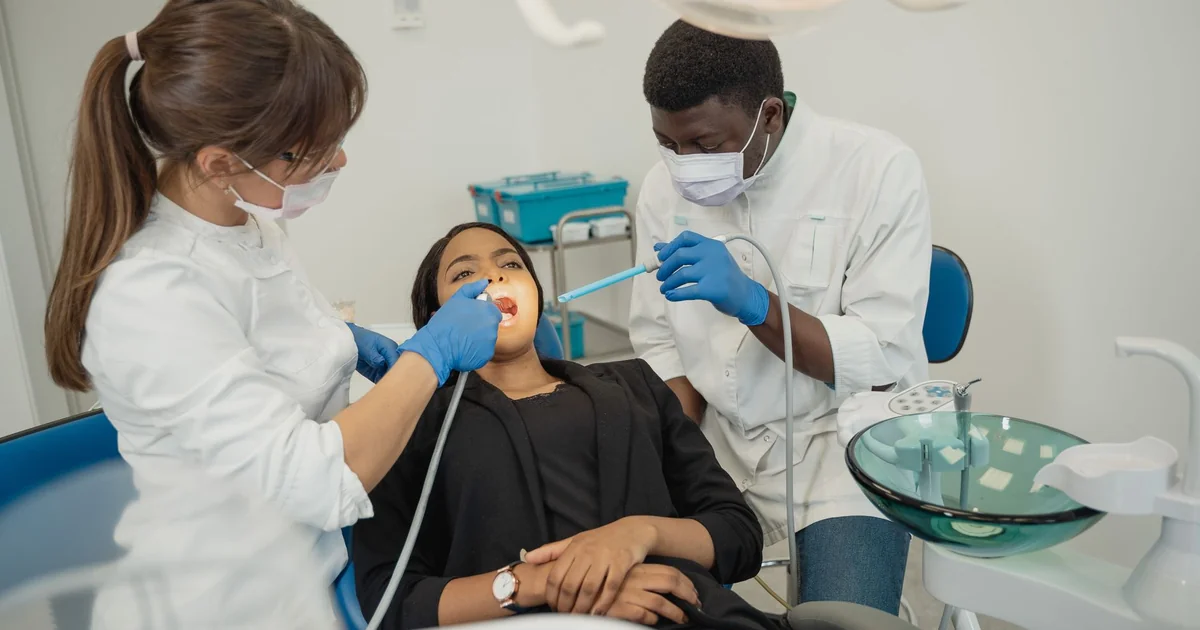
Private Health Insurance for International Students and Visitors in Australia
If you're studying or visiting Australia on a temporary visa, understanding private health insurance is essential. Unlike Australian citizens and permanent residents, temporary visa holders cannot access Medicare, the country's public health system. Instead, you'll need private health insurance to cover medical costs. This guide explains your options, what's covered, and how to choose the right plan for your situation.
Do You Need Private Health Insurance in Australia?
Your visa type determines whether private health insurance is required or recommended:
- International students: Most student visas require Overseas Student Health Cover (OSHC) before arrival. Universities typically arrange this automatically and add the cost to your fees.
- Temporary visitors: Not eligible for Medicare. Private health insurance is strongly recommended to protect against unexpected medical costs.
- Working holiday makers: Not eligible for Medicare. Private insurance is recommended, though not always mandatory depending on your country of origin.
- Skilled temporary visa holders: Check your visa conditions. Some visas require health insurance; others recommend it.
- Family members of visa holders: If you're accompanying a student or worker, you'll typically need OSHC or visitor cover.
Even if your visa doesn't require health insurance, purchasing it protects you from expensive medical bills. A single hospital stay without insurance can cost thousands of dollars.
Overseas Student Health Cover (OSHC) Explained
OSHC is a type of private health insurance designed specifically for international students. It covers essential medical services while you study in Australia.
What OSHC Covers
- Hospital treatment in public and private hospitals
- Medical services including doctor visits, diagnostic tests, and X-rays
- Emergency dental treatment (not routine cleaning or fillings)
- Prescription medications
- Ambulance services
- Mental health services (with some limitations)
What OSHC Does NOT Cover
- Routine dental care, cleaning, and fillings
- Optical care including glasses and contact lenses
- Physiotherapy and allied health services (unless specified in your plan)
- Cosmetic procedures
- Pre-existing medical conditions (in some cases, depending on disclosure)
- Treatment for conditions existing before your policy started
- Pregnancy and childbirth (in most OSHC plans)
OSHC Costs and Providers
OSHC typically costs between AUD $400 and $700 per year, depending on the provider and level of cover. Major OSHC providers include:
- Allianz Global Students: Phone 1300 135 357; offers comprehensive coverage and online claims
- BUPA: Phone 1300 362 849; provides flexible plans with optional extras
- NIB: Phone 1300 650 500; competitive pricing for students
- Medibank: Phone 1300 033 423; offers OSHC with additional wellness benefits
- AHM (Australian Health Management): Phone 1300 134 060; budget-friendly OSHC options
Your university may have a preferred OSHC provider or allow you to choose. Compare plans before enrolling to ensure you get the coverage you need at a price you can afford.
Private Health Insurance for Visitors
If you're visiting Australia on a tourist visa or short-term stay, you can purchase visitor health insurance from private providers. This is different from OSHC and is designed for people staying less than 12 months.
What Visitor Health Insurance Covers
- Hospital accommodation and treatment
- Doctor consultations and medical services
- Emergency dental care
- Prescription medications
- Medical evacuation (in some premium plans)
- Ambulance services
Visitor Insurance Costs and Exclusions
Visitor health insurance is typically more expensive than OSHC, ranging from AUD $50 to $200 per month depending on your age, length of stay, and coverage level. Many policies exclude pre-existing medical conditions unless you declare them at purchase. Some providers also exclude high-risk activities like professional sports or adventure tourism.
Major providers offering visitor cover include Medibank, BUPA, nib, and AHM. Get quotes from multiple providers before purchasing to find the best value.
Comparing OSHC and Visitor Health Insurance
The main differences between OSHC and visitor health insurance are:
- OSHC: Designed for students; required by most universities; covers the full academic year; typically AUD $400-700 per year
- Visitor insurance: Designed for tourists and short-term visitors; optional; covers specific periods; typically AUD $50-200 per month
- OSHC: Covers emergency dental and some mental health services; visitor plans may have more limited coverage
- Visitor insurance: May include medical evacuation; OSHC typically does not
- OSHC: Waiting periods apply for non-emergency treatment; visitor plans may have shorter waiting periods
Waiting Periods Explained
Both OSHC and visitor insurance have waiting periods before certain treatments are covered. Waiting periods typically range from 1 to 12 months depending on the treatment type. Emergency treatment is usually covered immediately, but elective procedures like joint replacements may have longer waiting periods. Always check your policy documents to understand waiting periods for treatments you might need.
How to Register and Purchase Health Insurance
For International Students
- Check your university's enrolment information for OSHC requirements
- Your university will usually arrange OSHC automatically and add the cost to your fees
- If you can choose your provider, compare plans and select one that suits your needs
- Confirm your OSHC is active before arriving in Australia
- Keep your insurance card and policy documents with you at all times
For Visitors
- Research visitor health insurance providers online
- Get quotes from at least three providers
- Compare coverage levels, waiting periods, and exclusions
- Purchase online before arriving or within the first few days of arrival
- Have your passport details ready when applying
- Download your policy documents and insurance card to your phone
How to Make a Health Insurance Claim
When you need medical treatment, follow these steps:
- Visit a doctor or hospital and inform them you have private health insurance
- Some doctors bulk bill (bill your insurance directly); others require you to pay upfront
- If you pay upfront, keep all receipts and medical reports
- Contact your insurance provider within the timeframe specified in your policy (usually 30-90 days)
- Submit your claim with receipts, invoices, and medical documentation
- Your provider will review and reimburse you if the claim is approved
- Keep copies of all correspondence with your insurer
Most providers offer online claim submission through their website or mobile app, making the process faster and easier.
Comparing Major Health Insurance Providers
Here's a quick comparison of four major Australian health insurers:
- Medibank: Australia's largest health insurer; offers OSHC and visitor plans; competitive pricing; strong customer service; phone 1300 033 423
- BUPA: International health insurance specialist; excellent for visitors; flexible plans; phone 1300 362 849
- nib: Competitive pricing; good coverage for young people; innovative digital tools; phone 1300 650 500
- AHM: Budget-friendly options; good for students; straightforward coverage; phone 1300 134 060
Each provider has different strengths. Medibank and BUPA are best for comprehensive coverage, nib is good for young people seeking value, and AHM is ideal if you're budget-conscious. Get quotes from all four before deciding.
Important Tips for Health Insurance in Australia
- Activate before arrival: Ensure your insurance is active before you need it. There are waiting periods for non-emergency treatment.
- Disclose pre-existing conditions: Be honest about your medical history when applying. Non-disclosure can result in claims being rejected.
- Keep documentation: Save receipts, medical reports, and correspondence with your insurer for at least two years.
- Understand exclusions: Read the Product Disclosure Statement (PDS) carefully to know what's not covered.
- Renew on time: If you're staying longer, renew your policy before it expires to avoid gaps in coverage.
- Check visa requirements: Confirm your visa conditions regarding health insurance requirements with the Department of Home Affairs.
- Consider optional extras: Some plans offer optional extras for dental, optical, and physiotherapy at additional cost.
Medicare and Reciprocal Health Care Agreements
Australia has reciprocal health care agreements with some countries, which may allow limited access to Medicare. Citizens of the United Kingdom, Ireland, New Zealand, Sweden, Belgium, Finland, Italy, Malta, Netherlands, Norway, and Slovenia may be eligible for some Medicare benefits. Check the Services Australia website to see if your country has an agreement with Australia. Even if you're eligible for some Medicare benefits, private health insurance is still recommended for comprehensive cover.
- Real mid-market exchange rate — no markup added
- Low fees from 0.4% (~$4 on a $1,000 transfer to India)
- Arrives in 1–2 business days to 80+ countries
- No monthly fees — pay only when you transfer
Sources
- Services Australia – Overseas Student Health Cover
- Services Australia – Reciprocal Health Care Agreements
- Study Australia – Official Government Website
- Australian Department of Health
- Private Health Insurance Ombudsman
Frequently Asked Questions
What is the difference between OSHC and visitor health insurance?
OSHC (Overseas Student Health Cover) is designed for international students and is often required by universities, covering the full academic year for AUD $400-700 per year. Visitor health insurance is for tourists and short-term visitors, costs AUD $50-200 per month, and covers specific periods. OSHC includes emergency dental and some mental health services, while visitor plans may have more limited coverage.
How long are waiting periods for health insurance in Australia?
Waiting periods typically range from 1 to 12 months depending on the treatment type. Emergency treatment is usually covered immediately, but elective procedures like joint replacements may have longer waiting periods. Always check your policy documents to understand waiting periods for treatments you might need.
What is not covered by OSHC or visitor health insurance?
Most OSHC and visitor plans do not cover routine dental care, glasses or contact lenses, physiotherapy, cosmetic procedures, or pre-existing medical conditions. Pregnancy and childbirth are also typically excluded from OSHC plans. Check your Product Disclosure Statement for a complete list of exclusions.
How do I make a claim with my health insurance?
Keep receipts and medical reports, contact your insurance provider within the timeframe specified in your policy (usually 30-90 days), and submit your claim online or by post. Some doctors bulk bill directly to your insurer, while others require you to pay upfront and claim reimbursement. Most providers offer online claim submission through their website or app.
Which health insurance provider is cheapest for students in Australia?
AHM and nib typically offer the most competitive pricing for students, with OSHC plans starting around AUD $400-500 per year. Medibank and BUPA are more expensive but offer more comprehensive coverage. Get quotes from all four providers to compare prices and coverage levels for your specific needs.
Can I access Medicare as an international student or visitor in Australia?
No, temporary visa holders including international students and visitors cannot access Medicare. Only Australian citizens, permanent residents, and people from countries with reciprocal health care agreements with Australia may be eligible for some Medicare benefits. Private health insurance is essential for all other temporary visa holders.
What happens if I don't have health insurance in Australia?
Without health insurance, you'll be responsible for paying the full cost of medical treatment, which can be very expensive. A single hospital stay can cost thousands of dollars. Most student visas require OSHC, and visitors are strongly advised to purchase health insurance before arriving in Australia.
Do I need to disclose pre-existing medical conditions when buying health insurance?
Yes, you must disclose all pre-existing medical conditions when applying for health insurance. Non-disclosure can result in claims being rejected or your policy being cancelled. Be honest about your medical history to ensure your coverage is valid and claims are approved.
This is general information only. It is not legal, migration, financial, tax, medical, or professional advice. Always check official sources before acting.