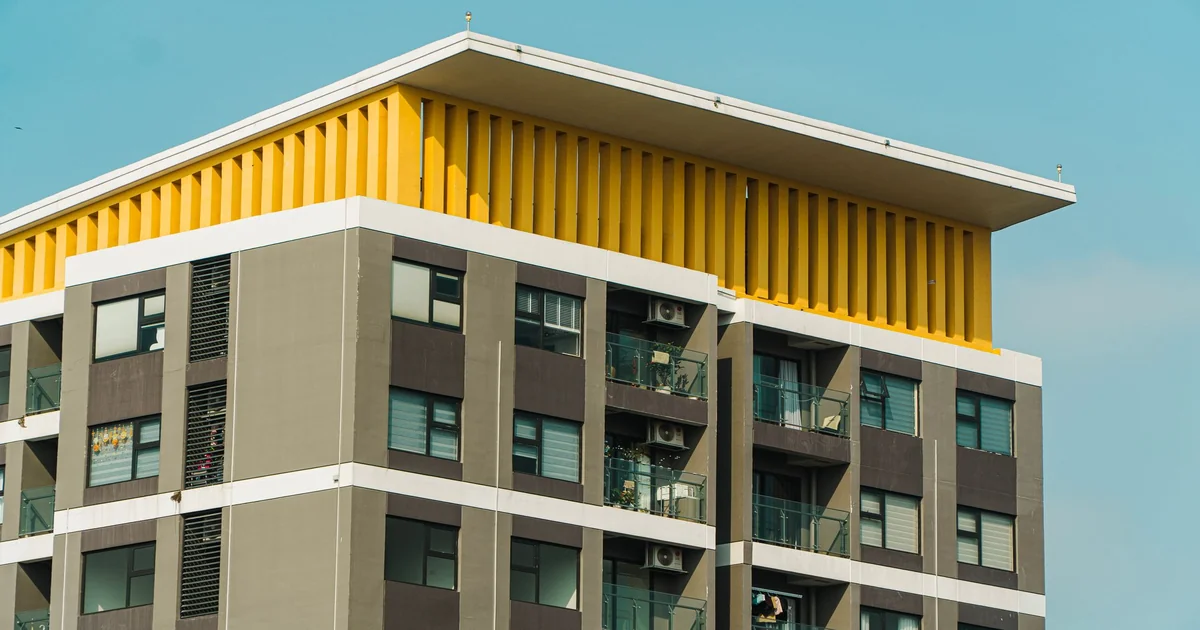
The median rent for a one-bedroom apartment in Sydney's inner suburbs now sits around $550 per week, while outer suburbs average $420 per week. For migrants, workers, and students arriving in Australia, understanding rental costs and available assistance is essential to budgeting and settling in. Rent assistance exists, but eligibility rules are strict, and knowing where to look for support can make the difference between financial stress and stability.
How Much Does Rent Cost Across Australia?
Rental prices vary dramatically depending on location, property type, and distance from the city centre. Sydney remains Australia's most expensive rental market. A one-bedroom apartment in the CBD or inner west (Newtown, Marrickville, Surry Hills) typically costs $550 to $650 per week. Move to outer suburbs like Penrith, Campbelltown, or Wollongong, and you'll find one-bedroom places for $350 to $420 per week.
Melbourne's inner suburbs average $480 to $550 per week for a one-bedroom, while Brisbane offers similar pricing at $420 to $500 per week. Perth and Adelaide are cheaper, with one-bedroom apartments ranging from $300 to $400 per week. Regional areas like Canberra, Hobart, and Darwin sit between $350 and $450 per week.
Two-bedroom apartments cost significantly more. In Sydney's inner suburbs, expect $700 to $900 per week. Outer suburbs range from $500 to $650 per week. Shared housing (renting a room) is cheaper: $200 to $350 per week in Sydney, $150 to $280 per week in regional areas.
Bond deposits are typically four weeks' rent. If you're renting a $500-per-week apartment, you'll need to pay $2,000 upfront as bond, plus the first week's rent before moving in. This means new arrivals should budget $2,500 to $3,000 for initial rental costs alone.
Who Is Eligible for Rent Assistance in Australia?
Rent Assistance is a payment from the Australian government designed to help people on low incomes afford housing. It is not available to everyone, and eligibility is tightly controlled.
To qualify for Rent Assistance, you must:
- Be an Australian citizen, permanent resident, or eligible visa holder (such as a holder of a Refugee visa or a Protected Special Category Visa)
- Be receiving a qualifying payment from Services Australia (such as JobSeeker, Youth Allowance, Parenting Payment, or Disability Support Pension)
- Pay rent to a landlord or real estate agent (not to a family member)
- Pay at least the minimum rent threshold, which is currently $150 per week
- Not own a home in Australia
- Meet the income and assets tests
Temporary visa holders, including skilled migration visa holders (subclass 189, 190, 491), working holiday visa holders, and international students, are not eligible for Rent Assistance. This is a critical point: if you're on a temporary visa, you cannot access this payment, even if you're paying high rent.
Permanent residents who have been in Australia for less than two years may also face restrictions. Check your visa subclass on your ImmiAccount at immi.homeaffairs.gov.au to confirm your eligibility.
How Much Rent Assistance Can You Receive?
Rent Assistance is not a fixed amount. It depends on how much rent you pay and your income.
The maximum Rent Assistance payment as of 2026 is $143.80 per fortnight (roughly $70 per week). However, most people receive less because the payment is calculated on a sliding scale based on your rent and income.
The calculation works like this: Services Australia assesses your rent and compares it to a threshold. If your rent exceeds the threshold, you may qualify for assistance. The payment reduces as your income increases. Once your income reaches a certain level, you receive no assistance at all.
For example, a single person receiving JobSeeker Allowance and paying $500 per week in rent might receive around $50 to $80 per fortnight in Rent Assistance. A couple with one child paying $600 per week might receive $100 to $140 per fortnight. The exact amount depends on your specific circumstances.
Rent Assistance is paid fortnightly directly into your bank account. It is not paid to your landlord. You must manage your own rent payments.
How to Apply for Rent Assistance
If you think you're eligible, you can apply through Services Australia. There are several ways to do this:
- Online: Log into your myGov account and link it to Services Australia. You can submit a claim through the online portal.
- Phone: Call Services Australia on 13 2300 (Monday to Friday, 8 am to 5 pm Australian Eastern Time). Have your rent details and income information ready.
- In person: Visit a Services Australia office. Find your nearest office at servicesaustralia.gov.au.
You'll need to provide:
- Proof of rent (a lease agreement or letter from your landlord showing weekly rent)
- Proof of payment (bank statements showing rent payments)
- Your income details (payslips, tax return, or proof of government payment)
- Your bank account details for payment
Processing typically takes 14 days. If you're already receiving a qualifying payment like JobSeeker, Services Australia may automatically assess you for Rent Assistance when you report your rent.
Alternatives to Rent Assistance for Temporary Visa Holders
If you're on a temporary visa and cannot access Rent Assistance, you have other options.
Some employers offer housing assistance or relocation support, particularly for skilled migration visa holders and international transfers. Ask your employer's HR department whether this is available.
Community organisations and charities sometimes offer emergency housing support or rental grants. Contact your local council or community centre to ask about local programs. In NSW, you can contact the NSW Fair Trading office for information about rental support services.
Shared housing reduces your individual rent burden. Instead of paying $500 per week for a one-bedroom apartment, you might pay $250 to $300 per week for a room in a shared house. Websites like Flatmates.com.au, SpareRoom.com.au, and Facebook groups dedicated to your suburb are good places to search.
Some universities and employers offer subsidised or on-campus housing for students and employees. If you're studying or working for a large organisation, check whether this is available.
Rental assistance programs exist in some states. For example, NSW offers the Rental Assistance Scheme for people experiencing rental stress. Contact your local community services office to ask what's available in your area.
Understanding Your Rights as a Tenant in Australia
Knowing your rights protects you from unfair rental practices. In NSW, the Residential Tenancies Act 2010 sets out the rules for renting.
Your landlord cannot charge more than four weeks' bond. They cannot ask for cash-only payments or demand rent in advance beyond what's legally allowed. They must provide you with a written lease agreement before you move in. They must give you at least 30 days' notice before entering your property (except in emergencies).
You have the right to a safe, clean property with working utilities. Your landlord must maintain the property and fix problems like broken plumbing or faulty heating within a reasonable timeframe. If they don't, you can lodge a complaint with the NSW Civil and Administrative Tribunal (NCAT).
Bonds are held in a trust account by the landlord or real estate agent. When you move out, your bond should be returned within 14 days if there's no dispute. If your landlord claims deductions for damage, they must provide itemised evidence.
If you're having trouble with your landlord, contact the Tenants' Union NSW on 1800 251 101 or visit tenants.org.au. They offer free advice to tenants.
Budgeting for Rent as a New Arrival
A common rule of thumb is to spend no more than 30% of your gross income on rent. If you earn $2,500 per week, you should aim to spend no more than $750 per week on rent.
However, in expensive cities like Sydney, this is often unrealistic. Many new arrivals spend 35% to 45% of their income on rent, particularly in the first year. Budget carefully and look for ways to reduce costs, such as shared housing or moving to outer suburbs with good public transport links.
Factor in other housing costs beyond rent: utilities (electricity, gas, water) typically cost $150 to $250 per month for a one-bedroom apartment. Internet costs $60 to $100 per month. Renters' insurance costs $10 to $20 per month and protects your personal belongings.
When searching for a rental, use established websites like Domain.com.au, Realestate.com.au, and Rent.com.au. Be cautious of listings that seem too cheap or ask for payment before you've viewed the property. Scams are common in the rental market. Never send money to a landlord you haven't met or verified through an official agency.
Sources
For more information about rent assistance and rental rights in Australia, visit these official sources:
- Services Australia: Rent Assistance
- NSW Fair Trading: Rental Rights and Responsibilities
- MoneySmart: Budgeting and Rent
Frequently Asked Questions
Am I eligible for Rent Assistance if I'm on a temporary visa?
No. Rent Assistance is only available to Australian citizens, permanent residents, and holders of specific visa types like Refugee visas. Temporary visa holders (skilled migration, working holiday, student visas) are not eligible, even if they pay high rent.
How much Rent Assistance can I receive per week?
The maximum Rent Assistance payment is $143.80 per fortnight (roughly $70 per week) as of 2026, but most people receive less. The amount depends on your rent, income, and family circumstances. Services Australia calculates your payment based on a sliding scale.
What is the average rent for a one-bedroom apartment in Sydney?
Inner suburbs of Sydney average $550 to $650 per week for a one-bedroom apartment, while outer suburbs average $350 to $420 per week. Prices vary by location and property condition.
How long does it take to get Rent Assistance approved?
Services Australia typically processes Rent Assistance claims within 14 days. If you're already receiving a qualifying payment like JobSeeker, you may be automatically assessed when you report your rent.
This is general information only. It is not legal, migration, financial, tax, medical, or professional advice. Always check official sources before acting.