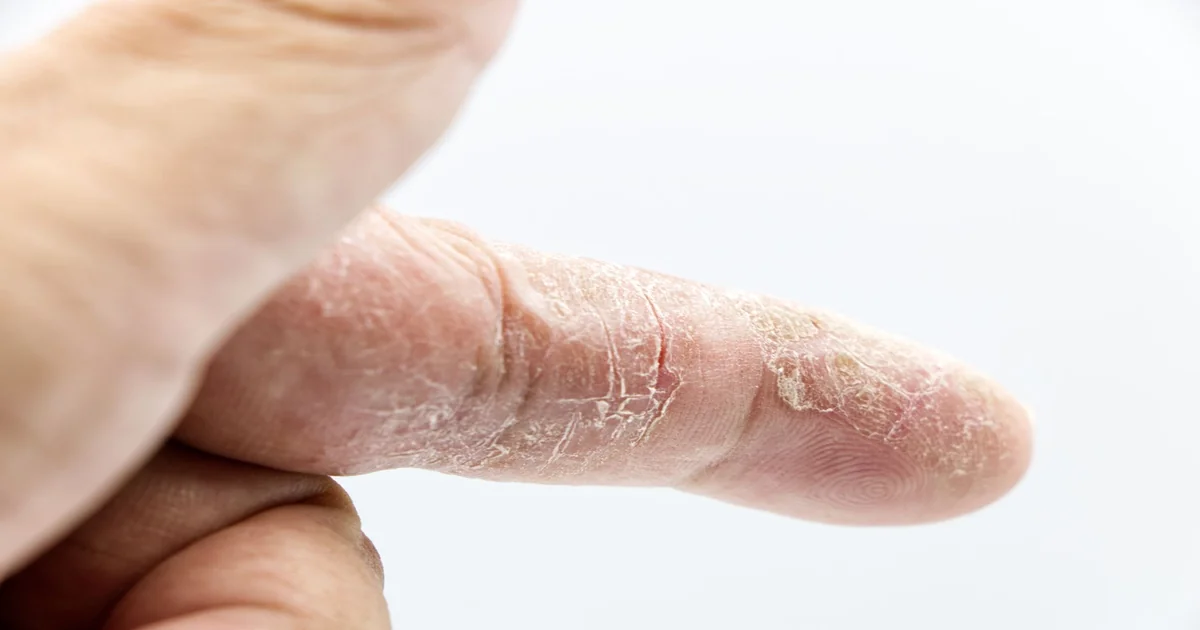
The Shock of Australia's Heat and Humidity on Your Skin
You've moved from India to Sydney or another Australian city. Within weeks, your skin starts behaving differently. Rashes appear in unexpected places. Sweat doesn't dry the way it used to. Fungal infections pop up between your toes or in skin folds. This isn't a personal hygiene problem. Your skin is reacting to a genuinely different climate.
India's heat is intense, but Australia's humidity combined with intense UV radiation creates a unique challenge for tropical skin conditions. The shift from a familiar climate to Australia's subtropical and tropical zones triggers skin problems that many Indian migrants don't anticipate. Understanding what's happening and why is the first step to managing it.
The good news: these conditions are common, treatable, and preventable once you know what to look for.
Why Your Skin Reacts Differently in Australia
Australia's climate is not the same as India's, even in tropical regions. The UV index in Australia is significantly higher than in most of India. Sydney's average UV index reaches 11 or higher on summer days (November to February). That's extreme. Combined with the humidity in coastal cities, your skin faces constant moisture, heat, and sun exposure.
Three factors create the perfect storm for tropical skin conditions:
- High UV radiation: Australia has one of the highest UV indices in the world due to the ozone layer's thinness over the Southern Hemisphere.
- Persistent moisture: Sweat doesn't evaporate quickly in humid conditions, trapping bacteria and fungi on your skin.
- Sudden climate change: Your skin microbiome (the bacteria and fungi that live on your skin) hasn't adapted to the new environment yet.
If you're arriving from Delhi, Mumbai, Bangalore, or Hyderabad, your skin has adapted to that specific climate over years. Moving to Sydney, Brisbane, or the Gold Coast means your skin is starting from scratch.
Common Tropical Skin Conditions Indian Migrants Face
Prickly heat (heat rash) is the most common complaint. It appears as tiny red bumps, usually in areas where sweat collects: under the arms, between the breasts, in skin folds, or on the chest. It's caused by sweat ducts becoming blocked in hot, humid conditions.
Fungal infections are equally common. Tinea (ringworm) can appear on the feet, between the toes, or in the groin. Candida infections thrive in warm, moist environments. These aren't serious, but they're persistent and uncomfortable.
Folliculitis happens when hair follicles become infected by bacteria or fungi. You might notice small red bumps with a white centre, often on the legs, chest, or back. It's sometimes called "tropical acne" because it's so common in hot climates.
Hyperpigmentation and melasma can worsen with sun exposure. If you already have uneven skin tone or dark patches, Australia's intense UV radiation can make them darker and more noticeable.
Intertrigo is inflammation in skin folds caused by friction, moisture, and heat. It's common in larger skin folds and can become infected if not treated.
Sweat-related dermatitis occurs when sweat irritates the skin repeatedly. It's different from prickly heat but equally uncomfortable.
Preventing Tropical Skin Conditions Before They Start
Prevention is far easier than treatment. Start these habits immediately after arriving in Australia.
Keep skin dry. This is the single most important step. After sweating, dry yourself thoroughly, especially in skin folds. Carry a small towel or microfibre cloth if you're going to the gym or spending time outdoors. Change out of wet clothes immediately. If you're wearing tight clothes that trap sweat, switch to loose, breathable fabrics like cotton or moisture-wicking synthetics.
Use sunscreen every single day. Not just at the beach. Apply broad-spectrum SPF 50+ sunscreen to your face, neck, ears, and any exposed skin. Reapply every two hours if you're outdoors. Australian sun is not like Indian sun. The UV index is higher, and skin damage happens faster. This is non-negotiable if you want to prevent hyperpigmentation and skin cancer risk later.
Shower after sweating. If you exercise, work outdoors, or spend time in the heat, shower as soon as possible. Use lukewarm water and a gentle cleanser. Hot water can irritate skin further.
Wear breathable clothing. Tight synthetic fabrics trap heat and moisture. Choose loose cotton clothing, especially underwear and socks. If you work in a uniform, change into fresh clothes as soon as your shift ends.
Reduce friction in skin folds. If you're prone to intertrigo, apply a thin layer of talc-free powder or antifungal powder to skin folds after showering. Some people use cotton pads or gauze to separate skin folds and reduce friction.
Stay hydrated. Drinking enough water helps regulate body temperature and reduces excessive sweating. Aim for 2 to 3 litres daily, more if you're exercising or spending time outdoors.
Treating Tropical Skin Conditions When They Appear
If prevention hasn't worked and you've developed a skin condition, treatment depends on what you have.
For prickly heat, the first step is cooling and drying the skin. Use cool (not cold) compresses. Wear loose clothing. Avoid further sweating if possible. If it doesn't improve within a few days, visit a pharmacy. Pharmacists in Australia can recommend over-the-counter treatments like calamine lotion or hydrocortisone cream. These are available at Chemist Warehouse, Priceline, and independent pharmacies across Sydney and Australia.
For fungal infections, antifungal creams are available without a prescription. Clotrimazole, miconazole, and terbinafine are common options. Apply twice daily for 2 to 4 weeks. If the infection doesn't clear within 4 weeks, or if it spreads, see a doctor. Some fungal infections need oral medication.
For folliculitis, keep the area clean and dry. Avoid tight clothing over the affected area. If it's mild, it may clear on its own within 1 to 2 weeks. If it's spreading or painful, see a GP. Antibacterial or antifungal creams may be needed.
For intertrigo, the priority is keeping the area dry. Use antifungal powder or cream. If the skin is broken or infected, a doctor should assess it.
For hyperpigmentation and melasma, prevention is more effective than treatment. Strict sunscreen use and sun avoidance slow progression. Dermatologists can offer treatments like hydroquinone cream, chemical peels, or laser therapy, but these are expensive and take time. Start with prevention now.
Accessing Healthcare for Skin Conditions in Australia
If a skin condition doesn't improve with home treatment or over-the-counter products, you need to see a healthcare provider.
Your first stop is usually a GP (general practitioner). In Sydney, you can find a GP through the NSW Health website or by searching online for "GP near me". Most GPs bulk-bill, meaning there's no out-of-pocket cost if you have a Medicare card. If you're on a temporary visa (student, skilled worker, working holiday), you won't have Medicare. You'll need to pay for the GP visit, which typically costs AUD 60 to 120 for a consultation.
If your GP suspects a serious fungal or bacterial infection, they may refer you to a dermatologist. Dermatologists specialise in skin conditions and can offer more advanced treatments. Referrals usually take 2 to 6 weeks depending on demand. If you're paying privately, dermatology consultations cost AUD 150 to 300 or more.
For urgent skin problems (severe infection, spreading rash, signs of cellulitis), visit an urgent care clinic or emergency department. In Sydney, you can go to any public hospital's emergency department. If you have Medicare, there's no cost. If you don't, expect to pay AUD 200 to 500 depending on the treatment.
Pharmacists are also a valuable resource. Australian pharmacists can recommend treatments for minor skin conditions without a doctor's visit. They're trained to spot when something needs medical attention.
Adjusting Your Skincare Routine for Australia's Climate
Your skincare routine from India may not work in Australia. The humidity, UV exposure, and different water quality mean you need to adapt.
Use a gentle cleanser twice daily. Avoid harsh soaps that strip your skin. Look for products labelled "gentle" or "for sensitive skin".
Moisturise, but choose the right product. In humid climates, heavy creams can trap moisture and cause problems. Use a lightweight, non-comedogenic moisturiser. Some people find that in summer, they don't need moisturiser at all because the humidity is enough.
Sunscreen is non-negotiable. Use it daily, even on cloudy days. Australian cloud cover doesn't block UV radiation effectively.
Avoid products with heavy oils or silicones if you're prone to fungal infections. These can trap moisture.
If you use traditional Indian skincare products (like turmeric-based products or heavy oils), test them carefully in Australia's climate. What worked in India might cause problems here.
Useful Official Sources
For more information about skin health and healthcare access in Australia, visit these official resources:
- NSW Health - Information about healthcare services and finding a GP in New South Wales.
- Services Australia - Information about Medicare eligibility and how to apply for a Medicare card.
Frequently Asked Questions
Why do I get more skin rashes in Australia than I did in India?
Australia has a higher UV index and different humidity patterns than most of India. Your skin microbiome hasn't adapted to the new climate yet, and sweat doesn't evaporate as quickly in coastal humidity, creating conditions for heat rash and fungal infections.
What's the best way to prevent prickly heat in Australia's heat?
Keep your skin dry by changing out of wet clothes immediately, shower after sweating, wear loose cotton clothing, and use talc-free powder in skin folds. Prickly heat is caused by blocked sweat ducts, so preventing moisture buildup is key.
Can I treat fungal infections with over-the-counter creams, or do I need to see a doctor?
Mild fungal infections can be treated with over-the-counter antifungal creams like clotrimazole or terbinafine, applied twice daily for 2 to 4 weeks. If the infection doesn't clear, spreads, or is severe, see a GP who may prescribe oral medication.
Do I need Medicare to see a doctor about a skin condition in Australia?
If you have Medicare (available to permanent residents and citizens), most GPs bulk-bill so there's no cost. If you're on a temporary visa, you'll pay AUD 60 to 120 per GP visit. Temporary visa holders should have private health insurance or overseas student health cover.
Is Australia's sun really that much stronger than India's?
Yes. Australia's UV index regularly reaches 11 or higher in summer, and the ozone layer is thinner over the Southern Hemisphere. UV damage happens faster in Australia, so daily sunscreen SPF 50+ is essential to prevent skin cancer and hyperpigmentation.
What should I do if a skin condition gets worse despite home treatment?
See a GP. If the rash is spreading, painful, has pus, or shows signs of infection, don't wait. GPs can prescribe stronger treatments or refer you to a dermatologist if needed. Urgent care is needed if you see signs of cellulitis (red, swollen, hot skin).
This is general information only. It is not legal, migration, financial, tax, medical, or professional advice. Always check official sources before acting.