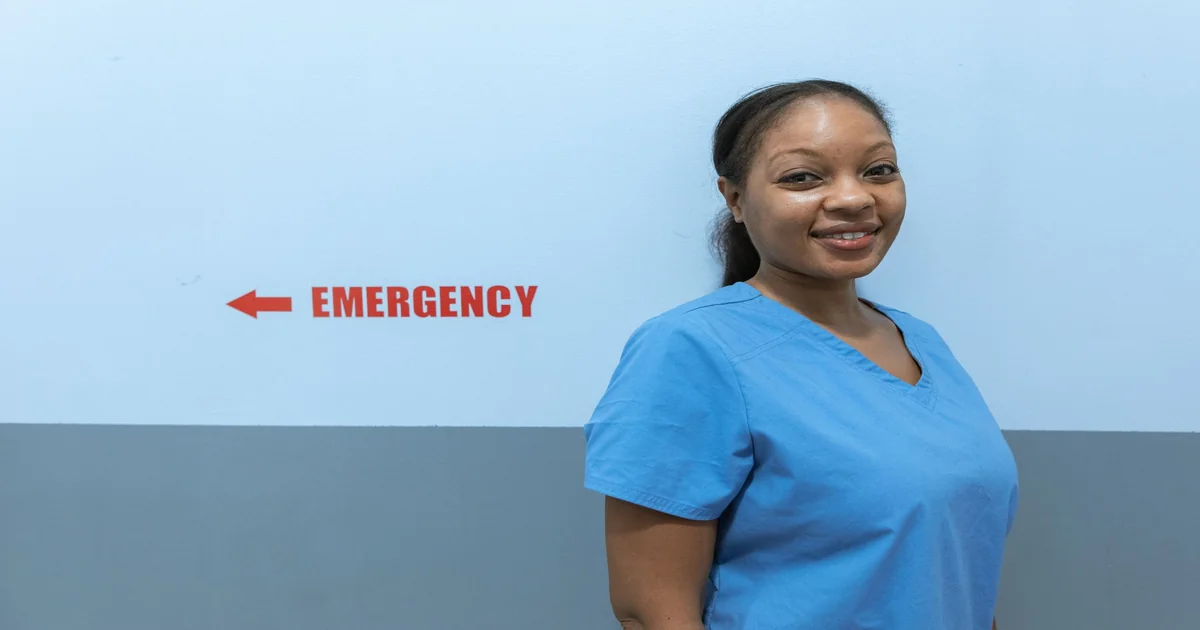
Before You Apply: Assess Your Eligibility
American nurses seeking to work in Australia must first understand the visa pathways available. Australia recognises nursing as a skilled occupation, which means you may be eligible for skilled migration visas. The most common routes are the Skilled Independent visa (subclass 189), Skilled Nominated visa (subclass 190), or Skilled Work Regional visa (subclass 491). Your eligibility depends on your qualifications, work experience, English language proficiency, and age.
The first step is to check whether your nursing qualification is recognised in Australia. This is critical. Your US nursing degree must be assessed by the Australian Health Practitioner Regulation Agency (AHPRA) or the relevant nursing board. AHPRA maintains a register of all nurses authorised to practise in Australia, and they will evaluate whether your qualification meets Australian standards.
You must also meet the points-based system used by the Department of Home Affairs. Points are awarded for age, English language ability, work experience, and qualifications. Most nurses aged 25 to 32 with a bachelor's degree and relevant experience can accumulate enough points to be competitive. The minimum points threshold varies by visa type and changes annually.
English language proficiency is non-negotiable. You will need to sit an approved English test such as the IELTS, TOEFL, or Occupational English Test (OET). For nursing, the OET is often preferred because it assesses healthcare-specific English. You must achieve a minimum score; for most skilled visas, this is IELTS 6.0 overall with no band below 5.0, or equivalent.
Stage 1: Professional Registration and Skills Assessment
Before you can work as a nurse in Australia, you must register with AHPRA. This is a legal requirement and cannot be skipped. Registration involves submitting your qualifications, work history, and character references for assessment.
Contact the Nursing and Midwifery Board of Australia (NMBA), which operates under AHPRA. You will need to provide certified copies of your nursing degree, transcripts, and evidence of your current registration in the United States. The NMBA will assess whether your qualification is substantially equivalent to an Australian nursing qualification. If there are gaps, you may be required to complete bridging courses or additional training before registration is granted.
The registration process typically takes 4 to 8 weeks, depending on how quickly you submit documents and whether the NMBA requests additional information. You cannot legally practise nursing in Australia without registration, even on a work visa.
Alongside NMBA registration, you will need a skills assessment from the relevant assessing authority for visa purposes. For nurses, this is usually the NMBA again, but some visa applications use other assessing bodies. The skills assessment confirms that your qualifications and experience meet the Australian standard for the occupation code 2544 (Registered Nurse). This assessment is separate from registration and is required for your visa application.
Costs for registration and skills assessment vary. NMBA registration typically costs AUD 500 to 800, and skills assessment may add another AUD 300 to 500. Expect to spend AUD 1,000 to 1,500 in total for these processes.
Stage 2: Visa Application and Sponsorship
Once you have professional registration and a skills assessment, you can apply for a skilled migration visa. The pathway you choose depends on your circumstances and whether you have a job offer.
The Skilled Independent visa (subclass 189) does not require sponsorship. You apply directly to the Department of Home Affairs based on your points. This is the most flexible option because you are not tied to a specific employer or state. However, it is also the most competitive because there is no employer backing your application.
The Skilled Nominated visa (subclass 190) requires sponsorship by an Australian state or territory. States like New South Wales, Victoria, and Queensland actively recruit overseas nurses, particularly in regional areas where there are shortages. A state nomination adds points to your application and significantly improves your chances. However, you must commit to living and working in that state for at least two years after visa grant.
The Skilled Work Regional visa (subclass 491) is for skilled workers willing to work in regional Australia. It is a points-tested visa that requires state sponsorship and a commitment to live in a designated regional area. The advantage is that it is slightly less competitive than the 189 or 190, but the disadvantage is the regional work requirement.
If you have a job offer from an Australian employer, you may also be eligible for a Temporary Skill Shortage visa (subclass 482) or Skilled Employer Sponsored Migration visa (subclass 186). The TSS 482 is temporary (typically 2 to 4 years), while the 186 can lead to permanent residency. However, these visas require the employer to sponsor you and prove they cannot fill the role with an Australian worker.
Your visa application will include your skills assessment, English test results, police clearance, and health examination. The health examination is mandatory and must be conducted by an approved panel doctor. For nurses, this is straightforward unless you have a medical condition that affects your ability to work. The Department of Home Affairs will provide a list of approved doctors in your area.
Processing times vary. A 189 visa typically takes 8 to 12 weeks, while a 190 or 491 can take 10 to 14 weeks. During this time, you cannot work in Australia unless you have a bridging visa or a separate work visa.
Stage 3: Arrival and Starting Work
Once your visa is granted, you have a set period to enter Australia (usually 12 months). Before you arrive, secure accommodation and arrange your move. Many American nurses find housing in suburbs close to major hospitals. In Sydney, suburbs like Parramatta, Chatswood, and Strathfield have good transport links to major hospitals and are popular with international workers.
On arrival, you must notify AHPRA that you have entered Australia and are ready to practise. Your registration is conditional on you being in Australia and meeting ongoing professional standards. You will need an Australian Tax File Number (TFN) to work, which you can apply for at the Australian Taxation Office (ATO). You can apply online before you arrive or in person at an ATO office once you are in Australia.
Register with a bank to open an Australian bank account. Most major banks (Commonwealth Bank, Westpac, ANZ, NAB) accept international applicants. You will need your passport, visa grant letter, and proof of address. Some banks allow you to open an account online before you arrive.
Your nursing registration in Australia is valid for one year from the date it is granted. After that, you must renew annually and pay the renewal fee (approximately AUD 500 to 600). You must also complete continuing professional development (CPD) requirements set by the NMBA. Most Australian nurses complete 20 hours of CPD per year, which can include courses, conferences, or workplace training.
Your first job search should target hospitals and aged care facilities. Major hospitals in Sydney, Melbourne, and Brisbane actively recruit overseas nurses. Websites like Seek, Indeed, and nursing-specific job boards list vacancies. Many hospitals offer orientation programs for overseas nurses, which help you understand Australian workplace practices and systems.
Your employment rights in Australia are protected by the Fair Work Act. You are entitled to the National Minimum Wage (currently AUD 23.23 per hour as of 2026), penalty rates for weekends and public holidays, paid leave, and protection from unfair dismissal. If you are unsure about your rights, contact the Fair Work Ombudsman or a union like the Australian Nursing and Midwifery Federation (ANMF).
Ongoing Obligations and Pathway to Permanence
If you are on a temporary visa (such as a TSS 482), you can apply for permanent residency after meeting certain requirements. Most skilled temporary visa holders can apply for a permanent visa after 2 to 3 years of work in Australia. Your employer may sponsor you for a permanent visa, or you may be eligible to apply independently if you meet the points threshold.
If you are on a 189, 190, or 491 visa, you already have permanent residency. You can stay in Australia indefinitely, work in any occupation, and access most government services. After 5 years of permanent residency, you can apply for Australian citizenship.
Maintain your professional registration by renewing annually and meeting CPD requirements. Keep your visa conditions in mind. If you are on a 190 or 491, you must work in the sponsoring state for the required period. If you are on a 186, you must continue working for your sponsoring employer unless you have met the permanence requirements.
Your tax obligations begin as soon as you start work. You must lodge an annual tax return with the ATO if your income exceeds the tax-free threshold (currently AUD 18,200 per year). You are also entitled to superannuation contributions from your employer (currently 12% of your salary as of July 2025), which you can access when you reach preservation age (typically 60 to 65, depending on your birth year).
Useful Official Sources
- Department of Home Affairs: Skilled Migration Visas
- Australian Health Practitioner Regulation Agency (AHPRA)
- Nursing and Midwifery Board of Australia
- Fair Work Ombudsman: Employment Rights
- Australian Taxation Office: Tax File Number
Frequently Asked Questions
Do I need to be registered with AHPRA before I can apply for a work visa?
No, you can apply for a visa before registration, but you must have a skills assessment from the NMBA confirming your qualification is recognised. You must complete AHPRA registration before you can legally work as a nurse in Australia.
How long does it take to get registered as a nurse in Australia from the US?
NMBA registration typically takes 4 to 8 weeks from the date you submit all required documents. The timeline depends on how quickly you provide certified copies of your qualifications and whether the NMBA requests additional information.
What is the difference between a 189, 190, and 491 visa for nurses?
The 189 is independent (no sponsorship needed), the 190 requires state sponsorship and a 2-year commitment to that state, and the 491 is for regional areas with a similar commitment. All three are permanent residency visas for skilled workers.
Can I work in Australia on a student or tourist visa while I apply for a nursing visa?
No, you cannot work as a nurse on a student or tourist visa. You must have a valid work visa or be registered and hold a visa that permits work. Temporary visa holders (students, tourists) are not permitted to work in regulated professions like nursing.
What is the minimum English language score I need for a nursing visa?
Most skilled visas require IELTS 6.0 overall with no band below 5.0, or equivalent. The Occupational English Test (OET) is often preferred for nurses and requires a minimum grade of B in all sub-tests.
How much does it cost to apply for a skilled migration visa as a nurse?
Visa application fees range from AUD 4,500 to 5,500 depending on the visa type. Add AUD 1,000 to 1,500 for registration and skills assessment, plus English test fees (AUD 300 to 400) and health examination costs (AUD 300 to 500).
Can I bring my family to Australia on my nursing work visa?
Yes, if you are on a permanent residency visa (189, 190, or 491), your spouse and dependent children can be included in your visa application. They must meet health and character requirements and may need to sit English tests.
What happens to my nursing registration if I leave Australia?
Your registration becomes inactive if you are not practising in Australia. You can reactivate it if you return, but you may need to complete additional training or assessment depending on how long you have been away.
This is general information only. It is not legal, migration, financial, tax, medical, or professional advice. Always check official sources before acting.