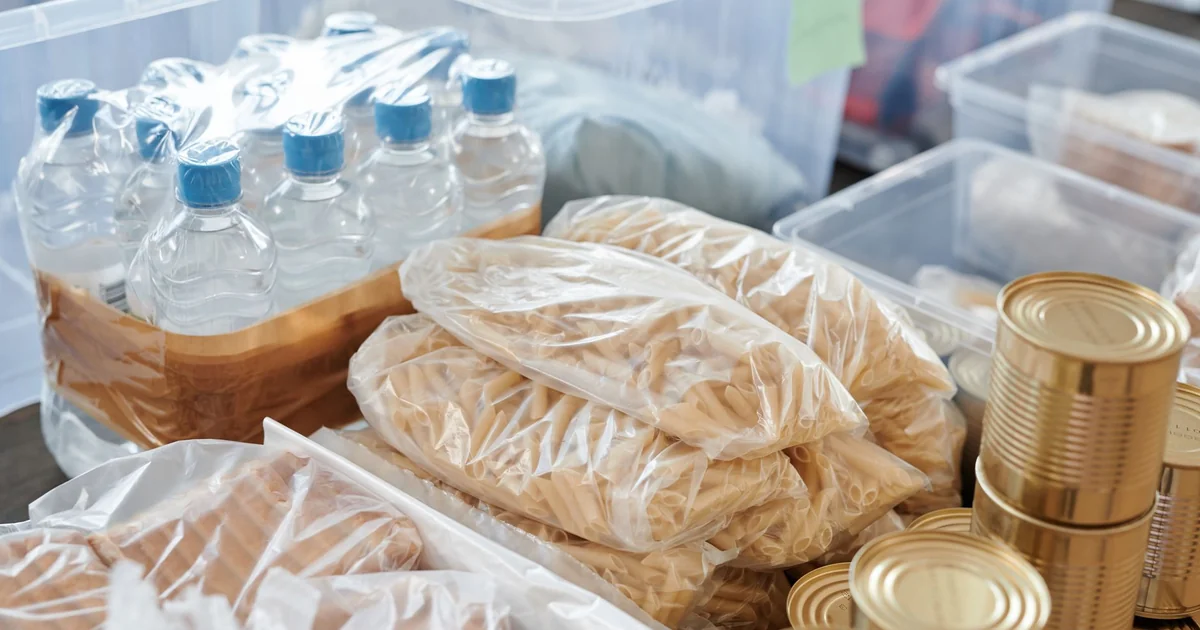
When you first arrive in Sydney, money is tight. Your job hasn't started yet, or you're waiting for your first pay. The cost of rent, transport, and groceries adds up fast. Food banks and free meal services exist across Sydney specifically to help people in this situation. This guide shows you where to find them, how to access them, and what to expect when you arrive.
Where can I find a food bank near me in Sydney?
Sydney has a network of food banks run by charities, religious organisations, and community groups. The largest and most accessible is Foodbank NSW, which operates a warehouse in Wetherill Park and distributes food through partner organisations across Greater Sydney. You cannot walk into Foodbank NSW directly. Instead, you access food through partner agencies like Anglicare, Salvation Army, St Vincent de Paul, and local community centres.
To find a food bank near you, start with these steps:
- Visit Foodbank NSW's website and use their 'Find Help' tool to locate partner agencies in your suburb.
- Call 1800 424 924 (Foodbank NSW helpline) to ask which agencies operate closest to your address.
- Contact your local council's community services team. Most councils in Sydney (Parramatta, Bankstown, Canterbury, Fairfield, Penrith) run or fund food assistance programs.
- Ask at your local library or community centre. Staff can direct you to nearby services.
Major food banks and services in specific areas include:
- Anglicare NSW runs food banks across Sydney. Their main office is in Parramatta, but they operate in suburbs including Campbelltown, Penrith, and the Central Coast.
- St Vincent de Paul Society has food banks in Marrickville, Parramatta, and Penrith. They also run emergency relief programs.
- Salvation Army operates food banks in Parramatta, Bankstown, and Fairfield, plus emergency accommodation if you need it.
- Uniting provides food assistance and community meals in inner Sydney suburbs like Redfern and Marrickville.
- Local Migrant Resource Centres in suburbs like Fairfield, Parramatta, and Bankstown often have food assistance programs and can connect you to other services.
When you visit a food bank, bring proof of identity (passport, visa grant letter, or driver's license) and proof of address (rental agreement, utility bill, or lease). Most services ask you to complete a simple form about your situation. This is confidential and helps them understand who they're helping.
What free meal services and community kitchens operate in Sydney?
Beyond food banks, Sydney has community meal programs where you can eat a free or very cheap meal. These are run by charities, churches, and community organisations. Some operate daily, others weekly.
Soup kitchens and community meals include:
- Wayside Chapel in Kings Cross serves free meals every day at lunch and dinner. They don't ask questions or require paperwork. Just turn up.
- Salvation Army runs community meals in Parramatta (Tuesdays and Thursdays), Bankstown, and Fairfield. Meals are free or very cheap.
- St Vincent de Paul operates community kitchens in several suburbs. Check their website for locations and times.
- Uniting runs community meals in Redfern and other inner-city areas. Many are free or donation-based.
- Foodbank NSW partner agencies often serve hot meals alongside food hampers. Ask when you visit.
Many churches across Sydney also serve free community meals on specific days. Contact your local church (Christian, Muslim, Hindu, Buddhist, or other faith) to ask if they run a meal program. Migrant communities often gather at places of worship, and many offer food as part of their support.
To find community meals near you, search 'free community meals [your suburb]' online, or call your local council community services team. They keep a list of all programs in your area.
How do I access emergency food relief if I need it urgently?
If you need food today or tomorrow, emergency relief services can help. These are different from regular food banks because they respond quickly, sometimes within hours.
Emergency food relief options:
- Call Foodbank NSW on 1800 424 924. Explain your situation. They can direct you to an emergency partner agency that can help the same day.
- Contact St Vincent de Paul Emergency Relief on 1800 305 330. They provide emergency food hampers, vouchers for supermarkets, and financial assistance.
- Visit your local Salvation Army. They provide emergency food, vouchers, and sometimes emergency accommodation. No appointment needed.
- Call Lifeline (13 11 14) or Beyond Blue (1300 224 636) if you're in crisis. They can connect you to emergency support services, including food assistance.
- Contact your local council. Most councils have emergency relief funds and can provide food vouchers or direct you to immediate help.
When you call or visit, be honest about your situation. Services exist to help people in genuine hardship. You won't be judged. Many migrants have used these services. Staff understand the challenges of starting over in a new country.
What support services are available for migrants beyond food?
Food banks and meal services are part of a wider safety net for migrants in Sydney. If you're struggling, other support is available.
Financial assistance and housing support:
- Services Australia (the government agency) provides emergency payments if you're in hardship. Call 13 23 00 or visit servicesaustralia.gov.au to check if you're eligible. Temporary visa holders may not qualify, but it's worth asking.
- Local councils often have hardship grants, emergency relief funds, and rental assistance programs. Contact your council directly.
- Migrant Resource Centres across Sydney provide free advice on housing, work rights, visa issues, and financial support. They can also connect you to food services.
- Community Legal Centres offer free legal advice if you're having trouble with landlords, employers, or government services.
Health and wellbeing support:
- Medicare is available to permanent residents and citizens. If you're on a temporary visa, you may need private health insurance or student health cover. Check servicesaustralia.gov.au for eligibility.
- Community health centres across Sydney provide free or low-cost medical care, dental care, and mental health support. Many have interpreters.
- Multicultural mental health services understand the challenges of migration and offer counselling in your language.
Employment and work rights support:
- Fair Work Ombudsman (1300 794 277 or fairwork.gov.au) provides free advice if you're being underpaid, not given breaks, or treated unfairly at work.
- Community Legal Centres can help with workplace disputes and visa-related employment questions.
- Migrant Resource Centres often run job training and employment support programs.
Don't be embarrassed to ask for help. Thousands of migrants use these services every year. They exist because the government and charities recognise that starting a new life in Australia is expensive and sometimes overwhelming.
Sources
- Foodbank NSW - Find food banks and meal services near you
- Services Australia - Government support, emergency payments, and Medicare eligibility
- Fair Work Ombudsman - Work rights and employment support
Frequently Asked Questions
How do I access a food bank in Sydney if I'm a migrant?
Contact Foodbank NSW on 1800 424 924 or visit their website to find a partner agency near you. You'll need proof of identity and address. Most food banks ask you to complete a simple form about your situation, but there's no judgment or complex process.
Are there free meal services I can visit without an appointment in Sydney?
Yes. Wayside Chapel in Kings Cross serves free meals every day at lunch and dinner with no paperwork required. The Salvation Army and St Vincent de Paul also run community meals across Sydney. Search 'free community meals [your suburb]' or call your local council for times and locations.
What should I do if I need food urgently today?
Call Foodbank NSW (1800 424 924) or St Vincent de Paul Emergency Relief (1800 305 330) to access emergency food hampers or supermarket vouchers the same day. You can also visit your nearest Salvation Army centre without an appointment.
What other support is available for migrants beyond food assistance?
Services Australia provides emergency payments for hardship, local councils offer rental assistance and emergency relief funds, and Migrant Resource Centres provide free advice on housing, work rights, and visa issues. Community health centres offer free or low-cost medical care.
Do I need to be a permanent resident to access food banks in Sydney?
No. Most food banks and meal services help anyone in hardship, regardless of visa status. Temporary visa holders, students, and working holiday makers can access these services.
How often can I use a food bank?
This depends on the individual service. Some allow weekly visits, others monthly. When you first contact a food bank, ask about their policy. Services are designed to help you through a difficult period, not replace your regular shopping.
Are there food banks in western Sydney suburbs like Parramatta and Fairfield?
Yes. Anglicare, St Vincent de Paul, and the Salvation Army all operate food banks in Parramatta, Fairfield, Bankstown, and Penrith. Use Foodbank NSW's 'Find Help' tool to locate the closest service to you.
What do I bring when I visit a food bank for the first time?
Bring proof of identity (passport, visa grant letter, or driver's license) and proof of address (rental agreement, utility bill, or lease). Most services will ask you to complete a simple confidential form about your situation.
This is general information only. It is not legal, migration, financial, tax, medical, or professional advice. Always check official sources before acting.