Hidden Costs of Living in Sydney: What New Arrivals Don't Expect
When new arrivals move to Sydney, they often budget for rent, food, and transport. But the hidden costs of living in Sydney go far deeper. Many migrants, international students, and skilled workers arrive expecting one cost of living and discover another within weeks. This article covers the unexpected expenses that catch people off guard and how to plan for them.
Rental Costs Beyond the Weekly Rent
Rent is the obvious expense, but Sydney rental agreements hide several costs that new arrivals don't anticipate. When you sign a lease, you must pay a bond equal to four weeks' rent upfront. This money is held by the NSW Fair Trading office and returned at the end of your tenancy, but you need it available on day one.
Beyond the bond, landlords often require a holding deposit before you even sign the lease. This is typically one week's rent and is non-refundable if you don't proceed. Real estate agent fees vary but can add another week's rent to your upfront costs. If you're renting a furnished apartment, you may also pay a higher weekly rate than unfurnished properties.
Utilities are another hidden cost. Electricity, water, and gas bills in Sydney are not always included in rent. A single person in a one-bedroom apartment can expect to pay between $150 and $250 per month for utilities, depending on the season. Winter months (June to August) see higher heating costs, while summer (December to February) increases air conditioning expenses. Internet is separate and typically costs $50 to $100 per month.
Rental inspections and maintenance issues also add up. If the landlord requires repairs, you may need to pay for emergency call-outs if the issue occurs outside business hours. Blocked drains, burst pipes, or electrical faults can cost $200 to $500 for an emergency visit.
Health Insurance and Medical Expenses
Many new arrivals assume they'll have access to Medicare immediately. This is incorrect. Medicare is only available to permanent residents, Australian citizens, and people from reciprocal health care agreement countries. International students, skilled temporary visa holders, and working holiday makers must purchase private health insurance or Overseas Student Health Cover (OSHC).
OSHC for international students costs between $150 and $300 per month, depending on the provider and level of cover. This covers basic medical services, hospital stays, and prescription medications, but not dental, optical, or physiotherapy unless specified in your policy.
If you're a skilled temporary visa holder or working holiday maker without OSHC, private health insurance costs $100 to $250 per month for basic cover. Many employers offer health insurance as part of a benefits package, but you should confirm this before accepting a job.
Beyond insurance, out-of-pocket medical costs add up quickly. A GP visit costs $60 to $100 if you don't have a Medicare card. Prescription medications without Medicare rebates cost significantly more. A common antibiotic that costs $10 with a Medicare rebate might cost $40 without one. Dental work is expensive: a simple cleaning costs $150 to $250, and a filling costs $200 to $400.
Transport Costs and Vehicle Ownership
Public transport in Sydney is cheaper than many cities, but the costs add up. An Opal card (the contactless payment system for buses, trains, and ferries) costs $20 per week for unlimited travel if you're a student or concession holder, or $50 per week for a full adult fare. Over a year, that's $2,600 for an adult commuter.
If you own a car, the hidden costs are substantial. Registration costs $400 to $600 per year depending on the vehicle's value. Compulsory third-party (CTP) insurance costs $300 to $600 per year. Comprehensive car insurance costs $600 to $1,200 per year for a new driver with no Australian history. Fuel costs $1.50 to $1.80 per litre, and servicing a car costs $200 to $400 per service.
Parking is another hidden cost. If you park on the street in inner Sydney, you'll need to pay for parking permits or daily parking fees. Off-street parking in apartment buildings can cost $100 to $300 per month. Some suburbs charge $50 to $100 per day for street parking.
Groceries, Dining, and Food Costs
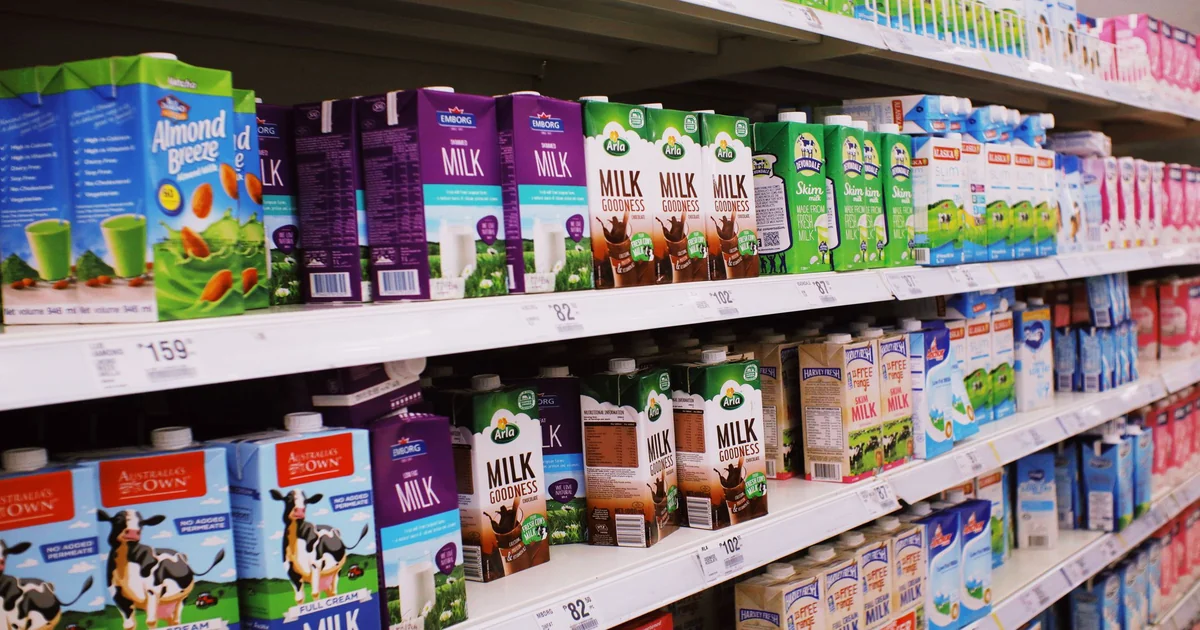
Groceries in Sydney are more expensive than many other Australian cities. A basic grocery shop for one person costs $80 to $120 per week. Imported foods and specialty items cost significantly more. A loaf of bread costs $3 to $5, a litre of milk costs $1.50 to $2.50, and a dozen eggs cost $4 to $6.
Dining out is expensive. A casual meal at a cafe costs $15 to $25. A restaurant dinner costs $40 to $80 per person before drinks. Many new arrivals underestimate how often they'll eat out due to long work hours or social commitments, and this can add $200 to $400 per month to living costs.
Alcohol is heavily taxed in Australia. A beer at a pub costs $6 to $10, and a bottle of wine costs $15 to $30 in a bottle shop. This surprises many new arrivals who come from countries with cheaper alcohol.
Unexpected Fees and Services
Several hidden fees catch new arrivals by surprise. Bank accounts in Australia often have monthly fees of $5 to $15, though many banks offer fee-free accounts for students or new migrants. International money transfers cost $10 to $30 per transaction, depending on the bank and amount.
Mobile phone plans in Australia are expensive compared to many countries. A basic plan with 10GB of data costs $40 to $60 per month. Many new arrivals are shocked by the cost and expect cheaper options.
Gym memberships cost $15 to $40 per week, and many require a 12-month contract. Haircuts cost $30 to $60 for a basic cut. Laundry services, dry cleaning, and other personal services are expensive in Sydney.
If you're a student, textbooks and course materials can cost $500 to $2,000 per semester. Universities often have second-hand book exchanges, but new books are expensive.
Tax and Financial Obligations
New arrivals often don't budget for tax obligations. If you work in Australia, you must register for a Tax File Number (TFN) with the Australian Taxation Office (ATO). You'll need to file a tax return each year, and if you've overpaid tax through your employer, you may receive a refund. However, if you've underpaid, you'll owe money.
International students and temporary visa holders may be eligible for tax offsets and deductions, but many don't claim them because they're unaware. The ATO website has information about tax obligations for temporary residents.
Superannuation is another cost that catches people off guard. If you work in Australia, your employer must contribute 12% of your salary to a superannuation account. This is money you can't access until retirement, and it reduces your take-home pay. Many new arrivals don't understand this and are surprised when their first payslip shows a lower amount than expected.
Seasonal and Unexpected Costs
Sydney's summer (December to February) brings higher electricity costs due to air conditioning. Winter (June to August) brings higher heating costs. New arrivals who arrive in summer may not budget for winter expenses and are shocked by higher bills.
Clothing costs are higher in Sydney than many countries. A pair of jeans costs $80 to $150, and a basic t-shirt costs $30 to $60. Many new arrivals need to buy warm clothes for winter, which adds $500 to $1,000 to their first-year expenses.
Home and contents insurance is often overlooked. If you rent and own valuable items, contents insurance costs $100 to $300 per year. If you own a home, building and contents insurance is compulsory and costs $1,000 to $3,000 per year depending on the property value.
Planning for Hidden Costs
The best way to manage hidden costs is to budget conservatively. Add 20% to your estimated living costs to account for unexpected expenses. Track your spending for the first three months and adjust your budget based on actual costs.
Use free resources to reduce costs. Libraries offer free internet, books, and sometimes free events. Community centres offer cheap fitness classes and social activities. Many councils offer free or cheap events during summer.
Connect with other new arrivals and ask about their experiences. Online forums and community groups often share tips about reducing costs and finding deals in Sydney.
- Real mid-market exchange rate — no markup added
- Low fees from 0.4% (~$4 on a $1,000 transfer to India)
- Arrives in 1–2 business days to 80+ countries
- No monthly fees — pay only when you transfer
Useful Official Sources
- NSW Fair Trading - Information about rental bonds, tenancy agreements, and consumer rights
- Australian Taxation Office (ATO) - Tax obligations, Tax File Numbers, and superannuation information
- Services Australia - Information about Medicare, Centrelink, and other government services
- MoneySmart - Budgeting tools, financial advice, and cost of living information
Frequently Asked Questions
What costs do new arrivals to Sydney most commonly underestimate?
New arrivals typically underestimate utilities, health insurance, transport costs, and dining out expenses. Many also don't budget for upfront rental costs like bonds and agent fees, or for seasonal variations in electricity and heating bills.
Do international students in Sydney have access to Medicare?
No. International students must purchase Overseas Student Health Cover (OSHC) or private health insurance, which costs $150 to $300 per month. Medicare is only available to permanent residents, citizens, and people from reciprocal health care agreement countries.
How much should I budget for weekly groceries in Sydney?
A single person should budget $80 to $120 per week for groceries in Sydney. Imported foods and specialty items cost significantly more, and dining out adds another $200 to $400 per month for most new arrivals.
What are the hidden costs of renting an apartment in Sydney?
Beyond weekly rent, you'll pay a four-week bond upfront, a non-refundable holding deposit, real estate agent fees, and utilities ($150 to $250 per month). Furnished apartments often cost more per week than unfurnished ones.
How much does car ownership cost in Sydney?
Car ownership costs include registration ($400 to $600 per year), compulsory third-party insurance ($300 to $600 per year), comprehensive insurance ($600 to $1,200 per year), fuel, servicing, and parking. Total annual costs typically exceed $3,000.
What is the Opal card and how much does it cost?
The Opal card is Sydney's contactless payment system for buses, trains, and ferries. It costs $20 per week for students or concession holders, or $50 per week for full adult fares, totalling $2,600 per year for regular commuters.
Do I need to pay for health insurance if I'm a temporary visa holder in Sydney?
Yes. Temporary visa holders (students, skilled workers, working holiday makers) are not eligible for Medicare and must purchase private health insurance or OSHC, costing $100 to $300 per month depending on the level of cover.
What is superannuation and how does it affect my take-home pay?
Superannuation is a retirement savings scheme where your employer contributes 12% of your salary to an account you can't access until retirement. This reduces your take-home pay but is a compulsory employer contribution in Australia.
This is general information only. It is not legal, migration, financial, tax, medical, or professional advice. Always check official sources before acting.