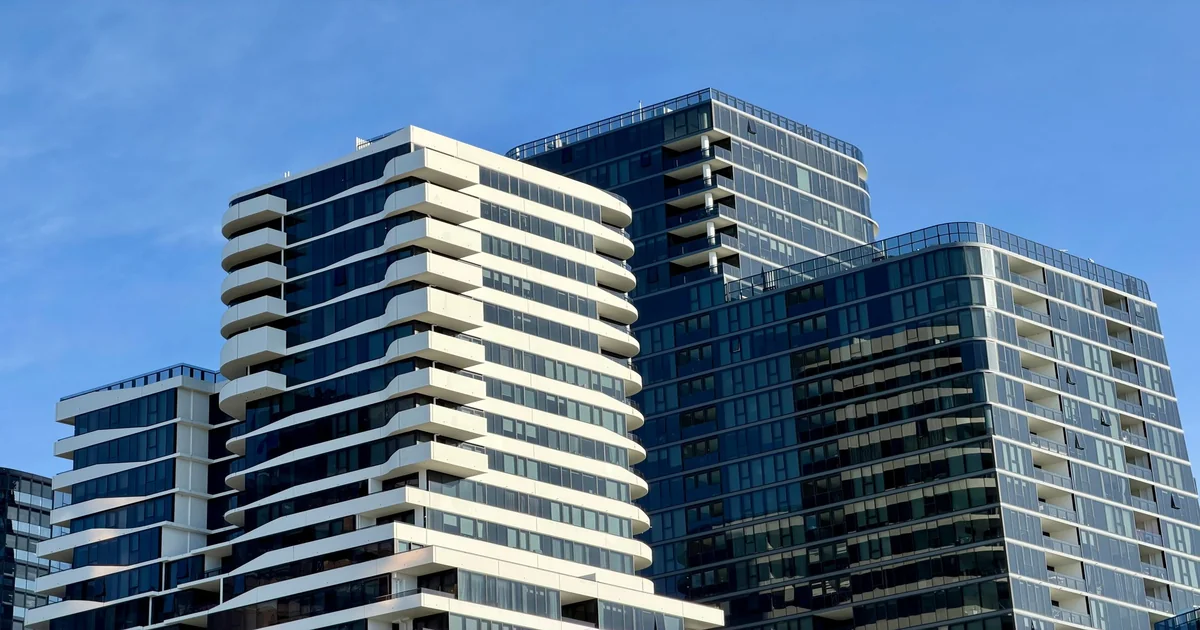
Rent Prices in Australia 2026: What You Need to Know
Rent prices in Australia have become a significant concern for new arrivals, workers, and students looking to settle in major cities. Understanding current rental costs across Sydney, Melbourne, Brisbane, Perth, and Adelaide is essential when planning your move. As of 2026, rental markets vary dramatically between cities, with Sydney and Melbourne commanding the highest prices while regional centres offer more affordable options. This guide breaks down what you can expect to pay, what upfront cash you need, how rent fits into a full weekly budget, and how your wages compare to what landlords will ask.
What Rent Actually Costs You: Upfront Cash and Weekly Budget
Before looking at city-by-city figures, it helps to understand the full financial picture. Rent is only part of the weekly spend. A single person renting in Australia also needs to cover groceries, transport, utilities, and healthcare. The numbers below are drawn from ABS household expenditure data and widely cited 2026 cost-of-living research.
A rough weekly budget for a single person renting in Sydney looks like this:
- Rent (one bedroom, mid-ring suburb): AUD 450–550
- Groceries: AUD 100–150
- Public transport (Opal weekly cap): AUD 50–60
- Electricity and gas (weekly share): AUD 35–55 (ABS data puts average household electricity at AUD 1,800–2,800 per year)
- Phone and internet: AUD 25–35
- Total estimated weekly spend: AUD 660–850
For context, ABS data from November 2025 shows that NSW full-time workers earn an average of AUD 2,086.80 per week before tax. That means rent alone consumes roughly one quarter to one third of a full-time wage before tax — and a much higher share of take-home pay. For part-time workers or those on the national minimum wage of AUD 23.23 per hour, rent stress is immediate.
The upfront cash requirement catches many new arrivals off guard. In Australia, landlords require a rental bond equal to four weeks' rent, held in trust by the relevant state authority. In NSW, this is managed by Service NSW. On top of the bond, you typically pay two weeks' rent in advance when you sign. That means moving into a mid-range Sydney apartment requires AUD 6,000 to AUD 8,000 in accessible funds before you receive the keys — before buying a bed, setting up utilities, or covering your first grocery shop.
If your budget is tight, the Australian Government's Services Australia provides Rent Assistance for eligible low-income earners, including some visa holders. Check your eligibility early.
Sydney Rent Prices: Australia's Most Expensive Market
Sydney remains Australia's most expensive rental market. A one-bedroom apartment in the CBD or inner suburbs typically costs between AUD 450 and AUD 550 per week, while two-bedroom apartments range from AUD 600 to AUD 800 per week. In popular inner-city areas like Surry Hills, Paddington, and Bondi, expect to pay at the higher end of these ranges or more. Freestanding houses in Sydney average around AUD 780 per week.
Outer suburbs offer better value. Areas like Parramatta, Penrith, and Newcastle (an hour north) provide one-bedroom apartments for AUD 350 to AUD 420 per week. Many new arrivals choose these locations to reduce housing costs while maintaining reasonable access to the CBD via public transport.
Shared housing is popular among students and young workers. A room in a shared house in inner Sydney costs AUD 200 to AUD 350 per week, depending on location and amenities. Websites like Domain.com.au, RealEstate.com.au, and Facebook groups dedicated to Sydney housing are your best resources for finding rentals.
Melbourne Rent Prices: Competitive with Sydney
Melbourne's rental market is nearly as expensive as Sydney's, though slightly more affordable in some areas. One-bedroom apartments in the CBD and inner suburbs cost AUD 420 to AUD 520 per week, while two-bedroom apartments range from AUD 550 to AUD 750 per week.
Popular inner suburbs like Fitzroy, Carlton, and South Yarra command premium prices. However, suburbs further out such as Coburg, Footscray, and Dandenong offer one-bedroom apartments for AUD 320 to AUD 400 per week. The advantage of Melbourne's layout is that many outer suburbs have excellent tram and train connections to the city centre.
Shared accommodation in Melbourne typically costs AUD 180 to AUD 320 per week for a bedroom. Student housing and purpose-built rental apartments are widely available, making Melbourne attractive for those studying or starting their careers.
Brisbane, Perth, and Adelaide: More Affordable Options
Brisbane offers significantly lower rental costs than Sydney and Melbourne. A one-bedroom apartment in the CBD or South Bank costs AUD 350 to AUD 450 per week, while two-bedroom apartments range from AUD 450 to AUD 600 per week. Inner suburbs like New Farm, Fortitude Valley, and Paddington provide one-bedroom apartments for AUD 320 to AUD 400 per week. Shared housing costs AUD 150 to AUD 280 per week.
Perth has one of the more affordable rental markets among Australia's major cities. A one-bedroom apartment in the CBD or inner suburbs costs AUD 300 to AUD 400 per week, while two-bedroom apartments range from AUD 400 to AUD 550 per week. Shared accommodation in Perth costs AUD 130 to AUD 250 per week, and the market is less competitive than Sydney or Melbourne, giving you more time to find the right property.
Adelaide offers the lowest rental costs among Australia's five largest cities. A one-bedroom apartment in the CBD or inner suburbs costs AUD 280 to AUD 380 per week. Research from 2026 migration guides consistently shows that a single person renting in Adelaide can spend AUD 800 to AUD 1,000 less per month than a comparable lifestyle in Sydney — a meaningful difference for anyone on a working visa or graduate salary. Shared housing in Adelaide costs AUD 120 to AUD 220 per week.
The table below summarises the weekly rent range for a one-bedroom apartment across the five main cities:
- Sydney: AUD 450–550 (inner); AUD 350–420 (outer)
- Melbourne: AUD 420–520 (inner); AUD 320–400 (outer)
- Brisbane: AUD 350–450 (inner); AUD 250–320 (outer)
- Perth: AUD 300–400 (inner); AUD 220–300 (outer)
- Adelaide: AUD 280–380 (inner); AUD 200–280 (outer)
If your work or study offer gives you a choice of city, Adelaide and Brisbane are worth serious consideration purely on rent affordability. The wage gap between cities is smaller than the rent gap for most graduate and trade roles.
The Rental Application Process for New Arrivals
The Australian rental application system is built around Australian credit history, Australian rental references, and Australian payslips. As a new arrival, you have none of these. That does not make it impossible, but it does mean you need to compensate elsewhere.
When applying for a rental property, be prepared to provide:
- Proof of income (payslips, an employment letter, or a signed contract)
- References from previous landlords or employers (overseas references are accepted by some agents)
- Identification (passport or driver's licence)
- Bank statements showing at least three months of funds
- A personal cover letter explaining your situation and visa status
Some new arrivals offer to pay a larger upfront sum — two to four weeks' additional rent — to compensate for the lack of local references. This is legal, but discuss it with the agent before assuming it will be accepted. Most landlords require a bond equal to four weeks' rent, held in trust by the state's rental authority. In NSW, this is managed by Service NSW. You'll also need to pay the first two weeks' rent upfront in most cases.
Consider booking short-term accommodation (a serviced apartment or share house) for your first four to six weeks. This gives you an Australian address, time to open a bank account, and the ability to attend property inspections in person — a significant advantage in competitive markets like Sydney and Melbourne.
Government Relief and Tenant Rights
As a tenant in Australia, you have rights protected by state legislation. In NSW, the NSW Fair Trading office provides information on tenant rights, bond disputes, and landlord obligations. Each state has similar bodies: Victoria has Consumer Affairs Victoria, Queensland has the Office of Fair Trading, and so on.
Rent increases are regulated. In NSW, landlords can only increase rent once every 12 months, and the increase must be reasonable. Similar protections exist in other states. Always check your state's tenancy laws before signing a lease.
The Federal Government has also introduced cost-of-living relief measures relevant to renters in 2026. These include energy rebates reducing household electricity bills, and PBS medicine caps dropping to AUD 25 per script. Some eligible households also received tax relief of up to AUD 536 annually from 2026–27. If you are on a low income or receiving government payments, contact Services Australia to check what support you qualify for, including Rent Assistance.
How to Find Rental Properties in Australia
Finding rental accommodation in Australia requires knowing where to look and understanding the application process. The main platforms for searching rentals are Domain.com.au, RealEstate.com.au, and Rent.com.au. These sites allow you to filter by location, price, and property type.
Facebook groups dedicated to housing in specific cities are also valuable. Groups like "Sydney Housing" or "Melbourne Rentals" often have listings from private landlords and real estate agents. Word of mouth through your workplace, university, or community networks can also lead to good rental opportunities.
Tips for Reducing Rental Costs
If rent is stretching your budget, consider these strategies:
- Share accommodation with housemates to split costs
- Choose suburbs further from the city centre but with good public transport links
- Negotiate with landlords, especially if you're willing to sign a longer lease
- Look for properties with included utilities (some landlords offer this)
- Consider temporary accommodation while you search for a permanent home
- Use government rental assistance programs if you qualify
- Compare cities honestly — if your job offer is transferable, Adelaide or Brisbane may save you AUD 800–1,000 per month
Rental Market Trends in 2026
The Australian rental market in 2026 continues to experience strong demand, particularly in major cities. Migration to Australia remains high, and international students continue to arrive, keeping rental prices elevated. However, some outer suburbs and regional areas are seeing slower growth, offering better value for those willing to commute.
Remote work has changed rental patterns. Some workers are choosing to live further from city centres, reducing pressure on inner-city rentals while increasing demand in regional areas. This trend may continue as more employers offer flexible working arrangements.
Interest rate changes and economic conditions affect rental markets. When interest rates are high, some property investors sell, increasing rental supply. Conversely, when rates fall, investors may hold properties longer, reducing supply and pushing rents up.
Sources
- Service NSW: Rental Bond Information
- NSW Fair Trading: Tenant Rights and Responsibilities
- Services Australia: Rental Assistance
- MoneySmart: Budgeting for Rent
If you are looking at property from an investment angle rather than just somewhere to live, see our comparison of Sydney rental yields against other Australian cities, and our guide to investment property tax deductions in Australia.
Frequently Asked Questions
How much does rent cost in Australia in 2026?
Rent varies significantly by city. In Sydney, a one-bedroom apartment typically costs AUD 450–550 per week in inner suburbs. Melbourne is similar at AUD 420–520, while Brisbane, Perth, and Adelaide are more affordable, ranging from AUD 280–450 per week for a one-bedroom.
How much money do I need upfront to rent in Australia?
Most landlords require a bond of four weeks' rent plus two weeks' rent in advance. For a mid-range Sydney apartment, that means having AUD 6,000 to AUD 8,000 in accessible funds before you receive the keys, not counting moving costs or furniture.
Can I rent in Australia as a new arrival without an Australian rental history?
Yes, but it is harder. You will need to provide overseas references, a signed employment contract or payslips, bank statements showing stable funds, and sometimes a personal cover letter. Some new arrivals offer a larger upfront payment to compensate for the lack of local rental history.
What is the cheapest major city to rent in Australia?
Adelaide consistently has the lowest rents among Australia's five major cities. A single person renting in Adelaide can spend AUD 800 to AUD 1,000 less per month than someone with a comparable lifestyle in Sydney.
What is the average weekly cost of living in Australia for a single person?
For a single person renting a one-bedroom apartment in Sydney, total weekly costs including rent, groceries, transport, and utilities typically range from AUD 660 to AUD 850. Costs are lower in Brisbane, Perth, and Adelaide.
Is rent assistance available for new arrivals in Australia?
Rent Assistance is available through Services Australia for eligible low-income earners, including some visa holders. Eligibility depends on your visa subclass and income. Check the Services Australia website for current criteria.
How does Australian rent compare to the average wage?
ABS data from November 2025 shows that NSW full-time workers earn an average of AUD 2,086.80 per week before tax. A one-bedroom apartment in Sydney's inner suburbs at AUD 450–550 per week consumes roughly one quarter to one third of that gross income.
How often can a landlord increase rent in Australia?
In NSW, landlords can only increase rent once every 12 months and the increase must be reasonable. Similar rules apply in other states. Always check your state or territory tenancy legislation before signing a lease.
This is general information only. It is not legal, migration, financial, tax, medical, or professional advice. Always check official sources before acting.