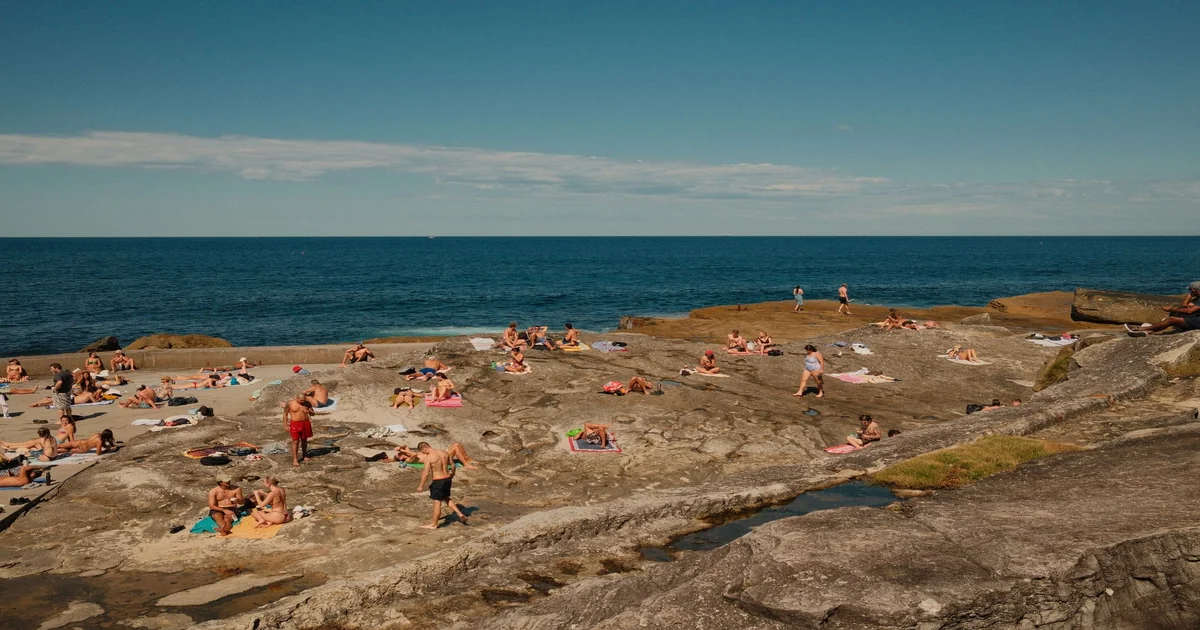
You've just landed in Sydney as a newly arrived nurse. Your first Australian summer hits you like a wall: 28 to 35 degrees Celsius, humidity hovering around 60 to 80 percent, and your skin is already feeling slick by mid-morning. Back home, your regular skincare routine worked fine. Here, your face is breaking out, your makeup slides off within hours, and you're not sure what's changed. The problem isn't you. It's the humidity.
Sydney summers are fundamentally different from most temperate climates. The combination of heat and moisture creates an environment where your skin behaves differently. Sweat mixes with bacteria and oil, pores stay open and congested, and products that worked elsewhere feel heavy and suffocating. For nurses working long shifts in hospitals, where you're moving between air-conditioned wards and hot outdoor spaces, the stress on your skin is real.
This guide walks you through the exact changes you need to make to your skincare routine for Sydney's summer humidity. You'll learn what to stop using, what to start using, and how to adapt your routine to the specific demands of working as a healthcare professional in a hot, humid climate.
Understanding Why Sydney Summer Breaks Your Skin
Humidity doesn't just make you sweat. It changes how your skin functions at a chemical level. When the air is saturated with moisture, your skin can't evaporate sweat efficiently. Sweat sits on your skin longer, mixing with bacteria, dead skin cells, and sebum (the oil your skin produces naturally). This creates the perfect environment for acne, fungal infections, and irritation.
Nurses in Sydney face an additional layer of stress. You're wearing protective equipment, working in temperature-controlled hospital environments, then stepping outside into 35-degree heat. Your skin experiences rapid temperature swings. You're also under physical and mental stress, which triggers cortisol production and increases oil production. Add 12-hour shifts on your feet, and you're dealing with sweat that doesn't dry, friction from clothing, and constant rehydration demands.
The other critical factor is that many skincare products designed for cooler climates are too heavy for Sydney humidity. Thick creams, oil-based serums, and heavy moisturisers that worked in your home country will clog your pores in 80 percent humidity. Your skin needs a complete reset.
Stripping Back to Basics: What to Remove from Your Routine
Before you add anything new, remove products that don't work in humid climates. This is the hardest step because you've probably invested in these products and they worked for you before.
Stop using heavy creams and thick moisturisers. If your moisturiser feels like it sits on top of your skin rather than absorbing, it's too heavy for Sydney summer. Thick night creams, oil-based serums, and products with high concentrations of occlusive ingredients (like shea butter, cocoa butter, or petrolatum) will trap heat and moisture against your skin, creating an ideal breeding ground for bacteria.
Remove any skincare products with added fragrance. Fragrance irritates skin in heat and humidity. Your skin barrier is already stressed from temperature swings and sweat. Fragrance adds unnecessary irritation.
Stop over-exfoliating. Many people increase exfoliation in summer, thinking it will help with oiliness. It does the opposite. Over-exfoliation damages your skin barrier, which triggers more oil production as your skin tries to protect itself. In Sydney humidity, you need a stronger barrier, not a weaker one.
Cut back on active ingredients like retinol, vitamin C serums, and acids during the hottest months (December to February). These ingredients increase sun sensitivity and can cause irritation when combined with heat and sweat. You can return to them in autumn.
Building a Lightweight Summer Routine That Actually Works
Your new routine has three core steps: cleanse, treat, protect. Everything else is optional.
Cleanse Twice Daily, But Gently
Use a gentle, water-soluble cleanser. Look for products labelled "gel cleanser" or "cream cleanser" rather than foaming cleansers, which can be too stripping. Foaming cleansers remove all oil from your skin, which triggers your skin to produce even more oil to compensate. You want to remove sweat, bacteria, and sunscreen without destroying your skin barrier.
Cleanse in the morning and evening. If you're working a shift and can't shower, use micellar water or a gentle cleansing wipe to remove sweat and bacteria during your break. This is especially important for nurses, who accumulate sweat and bacteria under protective equipment.
Use lukewarm water, not hot water. Hot water opens pores and increases oil production. Lukewarm water cleanses effectively without triggering extra sebum production.
Treat with Lightweight Actives
After cleansing, apply a treatment product if your skin needs it. In Sydney summer, your options are limited. Niacinamide serums are excellent for humid climates. Niacinamide reduces oil production, strengthens your skin barrier, and has anti-inflammatory properties. It works well under sunscreen and doesn't increase sun sensitivity.
Salicylic acid (a beta-hydroxy acid) can help if you're prone to breakouts, but use it only 2 to 3 times per week, not daily. Salicylic acid is oil-soluble, so it penetrates pores effectively. However, it's drying and can irritate skin in heat. Use it sparingly.
Hyaluronic acid serums are useful, but only if you apply them to damp skin and seal them with a lightweight moisturiser. Hyaluronic acid draws moisture from the air into your skin. In Sydney's humid summer, this works beautifully. Apply the serum while your skin is still slightly damp from cleansing, and it will plump your skin without feeling heavy.
Protect with Sunscreen Every Single Day
Sunscreen is non-negotiable in Sydney. UV index levels regularly reach 11 to 12 in summer, which is extreme. Sunscreen prevents skin cancer, premature ageing, and hyperpigmentation (dark patches that are common in humid climates).
Use a lightweight, water-resistant sunscreen with SPF 50+. Look for products labelled "mattifying" or "for oily skin". These formulations are designed to sit lightly on skin without clogging pores. Mineral sunscreens (zinc oxide or titanium dioxide) are often lighter than chemical sunscreens in humid climates, though they can leave a white cast on darker skin tones.
Apply sunscreen 15 minutes before sun exposure. Reapply every 2 hours if you're outdoors, or immediately after swimming or heavy sweating. For nurses working indoors, reapply after your shift if you'll be outside.
If sunscreen feels too heavy, use a sunscreen powder or spray as a top-up during the day. These are lighter than liquid sunscreen and work well over makeup.
Moisturise Strategically
You still need a moisturiser, but it needs to be lightweight. Look for gel moisturisers, water-based moisturisers, or products labelled "hydrating" rather than "moisturising". The difference is that hydrating products add water to your skin, while moisturising products seal in moisture with oils. In Sydney humidity, you need hydration, not occlusion.
Apply moisturiser to damp skin immediately after cleansing. This locks in hydration. If your skin feels oily by mid-day, you're using too much. A pea-sized amount is usually enough for your entire face.
Skip moisturiser on your T-zone (forehead, nose, chin) if it feels oily. Your skin produces enough natural oil in these areas during summer.
Managing Sweat and Bacteria During Long Shifts
Nurses work long hours in conditions that accelerate skin breakdown. Protective equipment traps heat and sweat. Air-conditioned wards followed by hot outdoor spaces stress your skin. You need practical strategies to manage this.
Wear breathable, moisture-wicking clothing under your uniform. Cotton blends or synthetic fabrics designed for athletic wear pull sweat away from your skin, reducing the time bacteria sits on your skin. Change out of sweaty clothes as soon as your shift ends.
Keep facial wipes or micellar water at work. During your break, wipe your face to remove sweat and bacteria. This is especially important under your mask or protective equipment. Bacteria trapped under equipment for hours creates ideal conditions for acne.
Wash your face immediately after your shift. Don't wait until evening. The longer sweat sits on your skin, the more bacteria multiply. A quick wash with your gentle cleanser takes two minutes and makes a significant difference.
If you develop heat rash or irritation under equipment, use a lightweight, fragrance-free moisturiser with zinc oxide. Zinc oxide has antimicrobial and anti-inflammatory properties. Apply it to clean, dry skin before putting on protective equipment.
Adjusting Your Routine as Seasons Change
Sydney's summer lasts from December to February, but humidity can persist into March and April. As autumn arrives and humidity drops, you can gradually reintroduce heavier products and active ingredients.
In autumn (March to May), you can start using retinol again, increase vitamin C serum use, and switch to slightly richer moisturisers. Your skin barrier will be stronger, and lower humidity means heavier products won't clog your pores.
Winter (June to August) is when you can use your full skincare arsenal. Thick creams, oil serums, and intensive treatments work beautifully when humidity is low and temperatures are cool.
Spring (September to November) is a transition period. Humidity increases gradually, so start lightening your routine in October. By November, you should be back to your summer routine before the December heat hits.
Useful Official Sources
For information about skin health and UV protection in Australia, consult these official resources:
- NSW Health provides guidance on sun safety and skin health in Australian climates.
- Bureau of Meteorology publishes daily UV index forecasts for Sydney and all Australian regions.
- Cancer Council Australia offers evidence-based information on sun protection and skin cancer prevention.
Frequently Asked Questions
Why does my skincare routine from home not work in Sydney summer?
Sydney's humidity (60-80 percent) prevents sweat from evaporating efficiently, trapping bacteria and oil on your skin. Heavy products designed for cooler climates clog pores in this environment. Your skin needs lightweight, water-based products instead.
What's the best sunscreen for humid climates?
Use a lightweight, water-resistant SPF 50+ sunscreen labelled 'mattifying' or 'for oily skin'. Mineral sunscreens are often lighter than chemical ones. Apply 15 minutes before sun exposure and reapply every 2 hours if outdoors.
Should I exfoliate more in Sydney summer to control oiliness?
No. Over-exfoliation damages your skin barrier, which triggers more oil production. In summer, exfoliate only once or twice per week with a gentle product, or skip it entirely if your skin is irritated.
Can I use retinol and vitamin C serums in Sydney summer?
Not during the hottest months (December to February). These ingredients increase sun sensitivity and can irritate skin stressed by heat and sweat. Reintroduce them in autumn when humidity drops and temperatures cool.
How do I manage breakouts under protective equipment during shifts?
Wear moisture-wicking clothing, use facial wipes during breaks to remove sweat, and wash your face immediately after your shift. Change out of sweaty clothes as soon as possible to reduce bacteria exposure.
Is a moisturiser necessary in Sydney summer if my skin feels oily?
Yes, but use a lightweight, gel-based or water-based moisturiser applied to damp skin. Skip it on your T-zone if that area feels oily. Hydrating products add water without the heaviness of traditional moisturisers.
This is general information only. It is not legal, migration, financial, tax, medical, or professional advice. Always check official sources before acting.