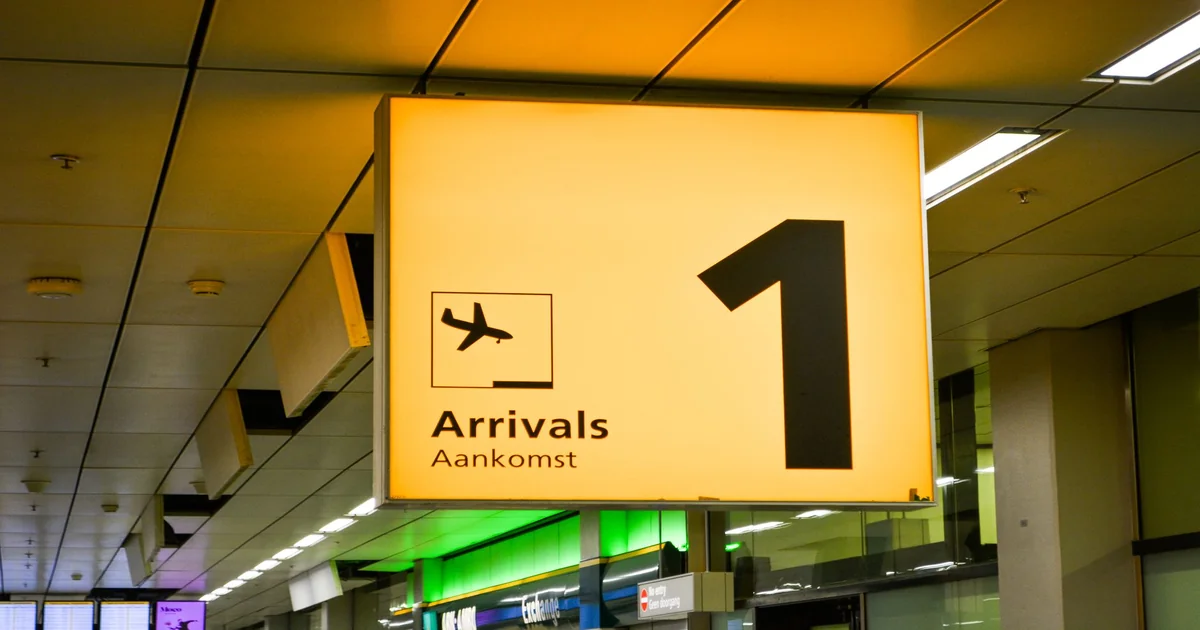
When you first arrive in Sydney, everything feels new. The city sprawls across 12,000 square kilometres. The weather is warm. The accent takes getting used to. But the most pressing questions aren't about landmarks or beaches. They're about the practical stuff: how do I get an Opal card? Where do I open a bank account? Do I need health insurance? What are my work rights?
This article answers the questions we hear most from new arrivals, workers, students, and families settling into Sydney for the first time.
How do I get around Sydney on public transport?
Sydney's public transport system runs on the Opal card, a reloadable smartcard that works on trains, buses, ferries, and light rail across the city and surrounding regions. You can buy a physical Opal card at convenience stores, train stations, and newsagents, or use your contactless credit card or phone to tap and pay (called Opal digital).
The Opal system is simpler than it sounds. You tap on when you board and tap off when you exit. The system automatically calculates the cheapest fare for your journey. Daily caps apply, meaning once you've spent a certain amount (currently AUD 20.80 on weekdays for adults), travel is free for the rest of the day. Weekly caps also exist, so frequent travellers save money.
Most new arrivals ask about zones. Sydney doesn't use traditional zones like London or Melbourne. Instead, fares are based on distance travelled and time of day. Peak fares (6am to 10am and 4pm to 7pm on weekdays) cost more than off-peak travel. A single train journey across Sydney costs between AUD 3.50 and AUD 5.50 depending on distance and time.
Ferries are included in the Opal system and are genuinely useful, not just tourist attractions. The ferry from Circular Quay to Manly takes 30 minutes and costs the same as a bus ride. Many people use ferries as part of their daily commute.
For detailed journey planning and real-time updates, use the Transport NSW website or download the Transport NSW app. It shows you every option, including walking times and which platform to use.
Where should I open a bank account and what do I need?
You'll need a bank account within your first week. Most new arrivals use the Big Four banks: Commonwealth Bank, Westpac, ANZ, or NAB. These have branches everywhere and are reliable, though fees can add up. Alternatives like UBank, ING, and Macquarie Bank offer lower fees and better interest rates on savings accounts, but fewer physical branches.
To open an account, bring your passport, proof of address (a lease agreement, utility bill, or letter from your employer), and your Tax File Number (TFN) if you have one. If you don't have a TFN yet, you can still open an account and add it later. Most banks let you open an account online these days, though you may need to visit a branch to verify your identity in person.
The process takes 15 to 30 minutes. You'll get a debit card within 5 to 7 business days. Some banks offer temporary digital cards you can use immediately while waiting for the physical card to arrive.
A few things to know: Australian banks use the BSB (Bank-State-Branch) code and account number system, not IBAN. Your debit card works at ATMs and shops, but contactless payments (tapping your card) are standard here. Most places don't accept cheques anymore. Set up online banking immediately so you can transfer money, pay bills, and check your balance anytime.
If you're on a temporary visa and need to send money home, use a dedicated money transfer service like Wise, OFX, or Remitly rather than your bank. They offer better exchange rates and lower fees.
Do I need health insurance and how does Medicare work?
This is the question that catches many new arrivals off guard. Medicare, Australia's public health system, is not available to everyone. If you're a permanent resident or Australian citizen, you're automatically covered by Medicare at no cost. If you're on a temporary visa (student, skilled temporary, working holiday, or visitor), you're not eligible for Medicare and must arrange private health insurance.
Students on a student visa must have Overseas Student Health Cover (OSHC), which is mandatory and usually arranged through your university or education provider. OSHC covers doctor visits, hospital stays, and some prescription medicines, but not dental or optical care. Cost varies by provider but typically ranges from AUD 300 to AUD 600 per year.
Skilled temporary visa holders (subclass 482, 494, 186) can buy private health insurance from providers like Bupa, Medibank, or nib. Basic hospital cover costs around AUD 100 to AUD 200 per month for a single person. Extras cover (dental, optical, physio) costs extra.
Working holiday visa holders should also buy private health insurance. Many travel insurance policies include basic health cover, but standalone health insurance is more comprehensive and cheaper over a 12-month stay.
If you're a permanent resident waiting for Medicare to activate (it takes 2 to 4 weeks after your visa is granted), buy temporary private cover in the meantime. Don't go uninsured, even for a few weeks. A single doctor visit costs AUD 60 to AUD 150 if you're uninsured.
For more information on eligibility and how to apply for Medicare, visit Services Australia.
What are my work rights and tax obligations?
Your work rights depend entirely on your visa type. Permanent residents and citizens can work full-time in any job. Skilled temporary visa holders can work full-time for their sponsoring employer (and sometimes others, depending on the visa). Student visa holders can work up to 20 hours per week during the university term and unlimited hours during official breaks. Working holiday visa holders can work full-time but usually only for one employer for a maximum of 6 months.
Regardless of visa type, you must have a Tax File Number (TFN) to work. Apply for one at the Australian Taxation Office (ATO) website or by phone on 13 28 61. You'll get a TFN within 2 to 4 weeks. Your employer will ask for it before your first day.
Once you're working, tax is automatically deducted from your pay. The tax-free threshold is AUD 18,200 per year, meaning you don't pay income tax on earnings below this amount. Above that, tax rates start at 19% and increase with income. Your employer should give you a payslip each week or fortnight showing gross pay, tax deducted, and net pay.
At the end of each financial year (30 June), you must lodge a tax return if you've earned income. The ATO sends you a notice to lodge, usually in August. You can lodge online through myTax (the ATO's free online tool) or use a tax agent. Most tax agents charge AUD 150 to AUD 300 to lodge a simple return. If you've overpaid tax, you'll get a refund, usually within 2 weeks of lodging.
Superannuation is compulsory. Your employer must contribute 12% of your gross pay into a superannuation account (a retirement savings fund). You can't access this money until you retire or meet specific conditions. When you start work, your employer will set up a superannuation account for you, or you can choose your own fund.
For detailed information on work rights by visa type, visit Fair Work Ombudsman.
How do I get a Tax File Number and when do I need it?
You need a Tax File Number (TFN) if you're working, studying, or claiming government benefits. Apply online at the Australian Taxation Office website or call 13 28 61. You'll need your passport, date of birth, and Australian address. Processing takes 2 to 4 weeks. Once you have it, keep it safe. You'll use it for tax returns, superannuation, and bank accounts.
What's the cost of living in Sydney and how much should I budget?
Sydney is expensive. Rent is the biggest cost. A one-bedroom apartment in the inner west (suburbs like Marrickville, Newtown, or Redfern) costs AUD 400 to AUD 550 per week. Inner east suburbs (Coogee, Bondi, Tamarama) cost AUD 500 to AUD 700 per week. Western suburbs (Parramatta, Penrith) are cheaper at AUD 300 to AUD 400 per week. Shared accommodation is cheaper, typically AUD 200 to AUD 350 per week for a room.
Groceries cost AUD 80 to AUD 120 per week for one person if you cook at home. Eating out is expensive: a casual lunch costs AUD 15 to AUD 25, and dinner at a mid-range restaurant costs AUD 30 to AUD 50 per person.
Utilities (electricity, gas, water) cost AUD 150 to AUD 250 per month for a one-bedroom apartment. Internet is AUD 60 to AUD 100 per month. Mobile phone plans start at AUD 30 per month for basic data.
A realistic monthly budget for a single person living alone in an inner suburb is AUD 2,500 to AUD 3,200. If you're sharing accommodation, you can reduce this to AUD 1,800 to AUD 2,300.
How do I find rental accommodation and what are my rights?
Most rental listings appear on Domain.com.au, Realestate.com.au, and Facebook Marketplace. You'll also see signs on street corners in popular rental areas. Real estate agents manage most rentals. When you find a place you like, you apply by submitting proof of income (a payslip or employment letter), proof of identity (passport), and sometimes a reference from a previous landlord.
The application process takes 3 to 7 days. If approved, you'll sign a lease (usually 12 months) and pay a bond equal to 4 weeks' rent. This bond is held by the Rental Bond Board and returned to you when you move out, provided the property is in good condition.
Your landlord must provide a condition report when you move in. Check it carefully and note any existing damage. Take photos. When you move out, the landlord can only deduct money from your bond for damage beyond normal wear and tear. Disputes over bonds are resolved by the NSW Fair Trading office.
Rent increases are capped at once per year, and the increase must be reasonable (currently up to 3% per year, though this changes). Your landlord must give you 60 days' notice of a rent increase. You have the right to quiet enjoyment of the property, meaning your landlord can't enter without 7 days' notice (except in emergencies).
What suburbs should I consider and how do I choose?
Sydney has over 300 suburbs. The choice depends on your budget, commute, and lifestyle. Inner west suburbs like Marrickville, Newtown, and Glebe are popular with young professionals and students. They're walkable, have good nightlife, and are close to the CBD. Inner east suburbs like Coogee, Bondi, and Tamarama are beachy and expensive. Inner south suburbs like Redfern and Surry Hills are trendy and central.
If you work in the CBD, consider suburbs on the train line to minimise commute time. The T1 line runs from Parramatta through the CBD to Bondi Junction. The T2 line runs from Chatswood through the CBD to Cronulla. Living on these lines means a direct commute with no changes.
Western suburbs like Parramatta and Penrith are cheaper and quieter. They're further from the beach but have their own shopping, dining, and entertainment. Northern suburbs like Chatswood and Willoughby are family-friendly and well-serviced.
Visit a few suburbs before deciding. Spend an afternoon walking around, grabbing coffee, and getting a feel for the vibe. Check out the local shops, parks, and transport links. What suits one person won't suit another.
How do I get an Australian phone number and SIM card?
Buy a SIM card from any convenience store, supermarket, or phone shop. Major providers are Telstra, Vodafone, and Optus. You'll also find cheaper options like Aldi Mobile, Kogan Mobile, and Boost Mobile, which use the networks of the big three but charge less.
A basic SIM card costs AUD 2 to AUD 10. You'll need to activate it with your passport and Australian address. Activation is instant. Plans start at AUD 30 per month for 10GB of data, unlimited calls, and unlimited texts. If you use a lot of data, expect to pay AUD 50 to AUD 80 per month.
Many new arrivals buy a SIM card at the airport. Prices are higher, but it's convenient. Alternatively, wait until you reach the city and buy at a supermarket or phone shop.
What should I do in my first week in Sydney?
Your first week is about getting the essentials sorted. On day one, buy an Opal card and open a bank account. On day two, apply for a Tax File Number and buy a SIM card. By day three, find accommodation or confirm your rental. By day four, register with your employer or university and get your superannuation set up. By day five, sign up for Medicare (if eligible) or arrange private health insurance. By day six, explore your local area and find a GP.
Don't stress about getting everything perfect immediately. Most things can be sorted within your first month. Focus on the essentials: transport, banking, and health cover. Everything else follows.
Useful official sources
- Transport NSW - Journey planning, Opal card information, and real-time updates
- Services Australia - Medicare eligibility, Tax File Number applications, and government benefits
- Fair Work Ombudsman - Work rights, minimum wage, and employment conditions
- NSW Fair Trading - Rental rights, bond disputes, and consumer protection
- Australian Taxation Office - Tax returns, superannuation, and Tax File Number information
This is general information only. It is not legal, migration, financial, tax, medical, or professional advice. Always check official sources before acting.