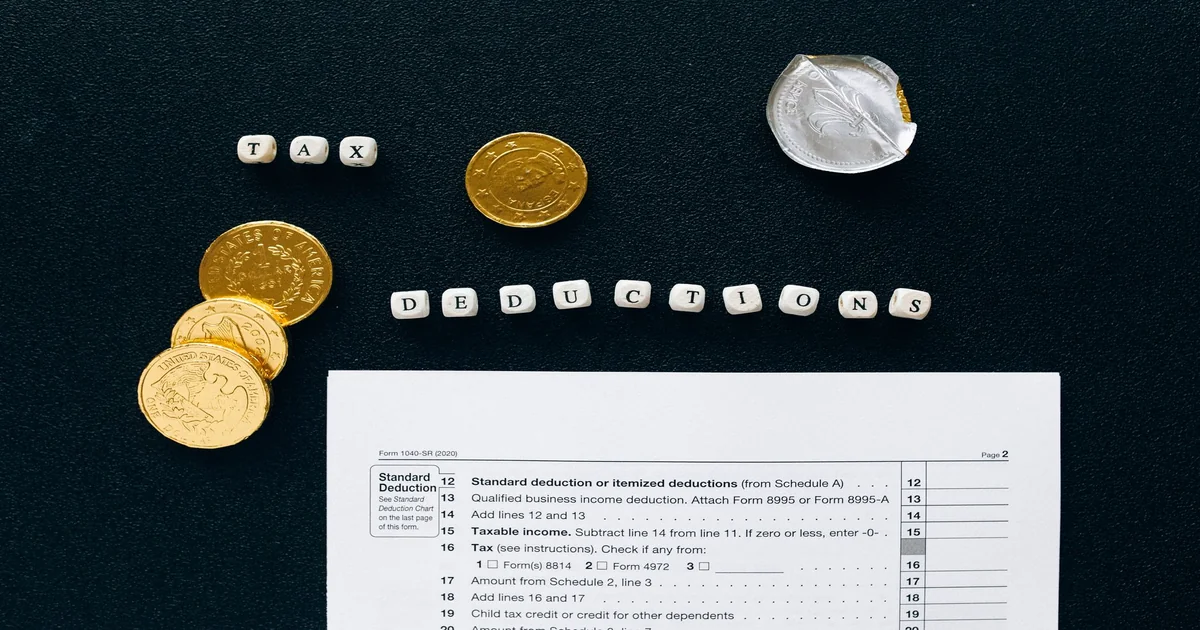
Tax Deductions for International Students in Australia
If you are an international student working in Australia, you may be entitled to claim tax deductions on your income tax return. Tax deductions for international students can significantly reduce your taxable income and result in a tax refund. Understanding which expenses qualify as deductible is essential for managing your finances while studying in Australia.
International students who earn income in Australia must lodge a tax return with the Australian Taxation Office (ATO) if their income exceeds the tax-free threshold. As of 2026, the tax-free threshold for Australian residents is AUD 18,200 per financial year. However, international students are not classified as Australian residents for tax purposes unless they have been in Australia for more than half the financial year and meet other residency tests. This means many international students have a lower tax-free threshold of AUD 0, meaning any income earned is taxable.
The good news is that you can claim deductions for work-related expenses, education costs, and other eligible expenses that reduce your taxable income. This guide explains which deductions are available to international students and how to claim them.
Who Can Claim Tax Deductions as an International Student
To claim tax deductions, you must have earned assessable income in Australia during the financial year (1 July to 30 June). International students on student visas (subclass 500) who work part-time or full-time during study breaks are eligible to claim deductions for work-related expenses.
Your residency status for tax purposes affects your tax-free threshold. If you have been in Australia for fewer than six months, you are classified as a non-resident for tax purposes and have a tax-free threshold of AUD 0. If you have been in Australia for six months or more and meet the residency test, you may be classified as an Australian resident for tax purposes, which gives you access to the AUD 18,200 tax-free threshold.
To determine your residency status, the ATO uses the 183-day rule: if you have been in Australia for 183 days or more in the financial year, you are generally considered a resident for tax purposes. However, this is not automatic, and your circumstances matter. It is important to check your residency status with the ATO before lodging your tax return.
Common Tax Deductions for International Students
International students can claim deductions for a range of work-related and education expenses. Here are the most common deductions available:
Work-Related Expenses
- Uniforms and protective clothing: If your employer requires you to wear a uniform or protective clothing (such as a safety vest or steel-capped boots), you can claim the cost of purchasing, cleaning, and maintaining these items.
- Tools and equipment: If you purchase tools or equipment required for your job (such as a laptop, calculator, or safety equipment), you can claim the cost. The item must be used for work and not for private purposes.
- Work-related travel: You can claim the cost of travel between your home and workplace, but only if you travel to multiple work locations in a single day or if your workplace is not your usual place of work. Ordinary commuting between home and a single workplace is not deductible.
- Work-related phone and internet: If you use your personal phone or internet for work purposes, you can claim a reasonable proportion of the cost. The ATO generally accepts a claim of 5% to 10% of your phone and internet bills for work use.
- Professional fees and subscriptions: If you pay fees to join a professional association or subscribe to professional publications required for your work, these are deductible.
- Work-related training and courses: If you undertake training or courses to improve your skills for your current job, you can claim the cost.
Education Expenses
International students can claim deductions for certain education expenses, but the rules are strict. You can only claim deductions for education expenses if they are directly related to earning your income.
- Course fees: You cannot claim deductions for your main course fees, as these are considered private expenses. However, if you undertake a course to improve your skills for your current job, you may be able to claim the cost.
- Study materials: You can claim the cost of textbooks, stationery, and other study materials if they are directly related to earning your income. For example, if you are studying accounting and working as a bookkeeper, you may be able to claim the cost of accounting textbooks.
- Student union fees: You cannot claim deductions for student union fees, as these are considered private expenses.
Other Deductible Expenses
- Home office expenses: If you work from home, you can claim a proportion of your rent, utilities, and other home expenses. The ATO allows a claim of AUD 0.68 per hour worked from home (as of 2026), or you can calculate the actual cost based on the proportion of your home used for work.
- Childcare expenses: If you pay for childcare to enable you to work, you can claim a deduction for childcare expenses.
- Depreciation: If you purchase assets such as a laptop or furniture for work, you can claim depreciation over the useful life of the asset.
How to Claim Tax Deductions on Your Tax Return
To claim tax deductions, you must lodge a tax return with the ATO. You can lodge your tax return online using the ATO's online services, through a tax agent, or by submitting a paper form.
When lodging your tax return, you will need to provide details of your income and deductions. The ATO requires you to keep records of all deductions claimed, including receipts, invoices, and other supporting documents. You should keep these records for at least five years.
Here are the steps to claim tax deductions on your tax return:
- Gather all receipts and invoices for deductible expenses incurred during the financial year.
- Calculate the total amount of each type of deduction (work-related expenses, education expenses, home office expenses, etc.).
- Lodge your tax return with the ATO, either online or through a tax agent, and include details of your deductions.
- Keep all receipts and supporting documents for at least five years in case the ATO requests them.
- If you are entitled to a tax refund, the ATO will process your return and issue a refund within 28 days of lodging.
International students can lodge their tax return from 1 July each year. The deadline for lodging your tax return is 31 October if you are lodging without a tax agent, or 15 May the following year if you are using a tax agent.
Important Considerations for International Students
There are several important considerations for international students claiming tax deductions:
Residency status: Your residency status for tax purposes affects your tax-free threshold and the deductions you can claim. If you are unsure of your residency status, contact the ATO for advice.
Work restrictions: International students on a student visa are restricted in the number of hours they can work during their course. These restrictions do not affect your ability to claim tax deductions, but you should be aware of them to ensure you comply with your visa conditions.
Substantiation: You must have receipts and other supporting documents to substantiate all deductions claimed. The ATO may request these documents if your return is selected for audit.
Private use: You cannot claim deductions for expenses that have a private component unless you apportion the expense. For example, if you use your laptop for both work and study, you can only claim the proportion used for work.
Tax agent assistance: If you are unsure about which deductions you can claim, consider engaging a tax agent to help you lodge your tax return. Many tax agents offer discounted rates for students.
Useful Official Sources
- ATO: Claiming Deductions
- ATO: International Students
- Study Australia: Official Government Study Guide
Frequently Asked Questions
Can international students claim tax deductions in Australia?
Yes, international students who earn income in Australia can claim tax deductions for work-related expenses, education costs, and other eligible expenses. You must lodge a tax return with the ATO to claim deductions.
What is the tax-free threshold for international students in Australia?
The tax-free threshold depends on your residency status for tax purposes. If you have been in Australia for fewer than six months, your tax-free threshold is AUD 0. If you have been in Australia for six months or more, you may be classified as a resident and have a tax-free threshold of AUD 18,200.
Which work-related expenses can international students claim?
International students can claim deductions for uniforms, protective clothing, tools and equipment, work-related travel, phone and internet expenses, professional fees, and work-related training courses.
Do I need receipts to claim tax deductions as an international student?
Yes, you must keep receipts and other supporting documents for all deductions claimed. The ATO requires you to keep records for at least five years in case they request them for verification.
Can international students claim deductions for course fees?
You cannot claim deductions for your main course fees, as these are considered private expenses. However, if you undertake a course to improve your skills for your current job, you may be able to claim the cost.
When should international students lodge their tax return?
International students can lodge their tax return from 1 July each year. The deadline is 31 October if lodging without a tax agent, or 15 May the following year if using a tax agent.
Can international students claim home office expenses?
Yes, if you work from home, you can claim a proportion of your rent, utilities, and other home expenses. The ATO allows a claim of AUD 0.68 per hour worked from home, or you can calculate the actual cost based on the proportion of your home used for work.
What happens if I claim deductions I am not entitled to?
If you claim deductions you are not entitled to, the ATO may disallow the deductions and issue you a tax bill for the unpaid tax plus interest and penalties. It is important to only claim deductions you are genuinely entitled to and to keep supporting documents.
This is general information only. It is not legal, migration, financial, tax, medical, or professional advice. Always check official sources before acting.